
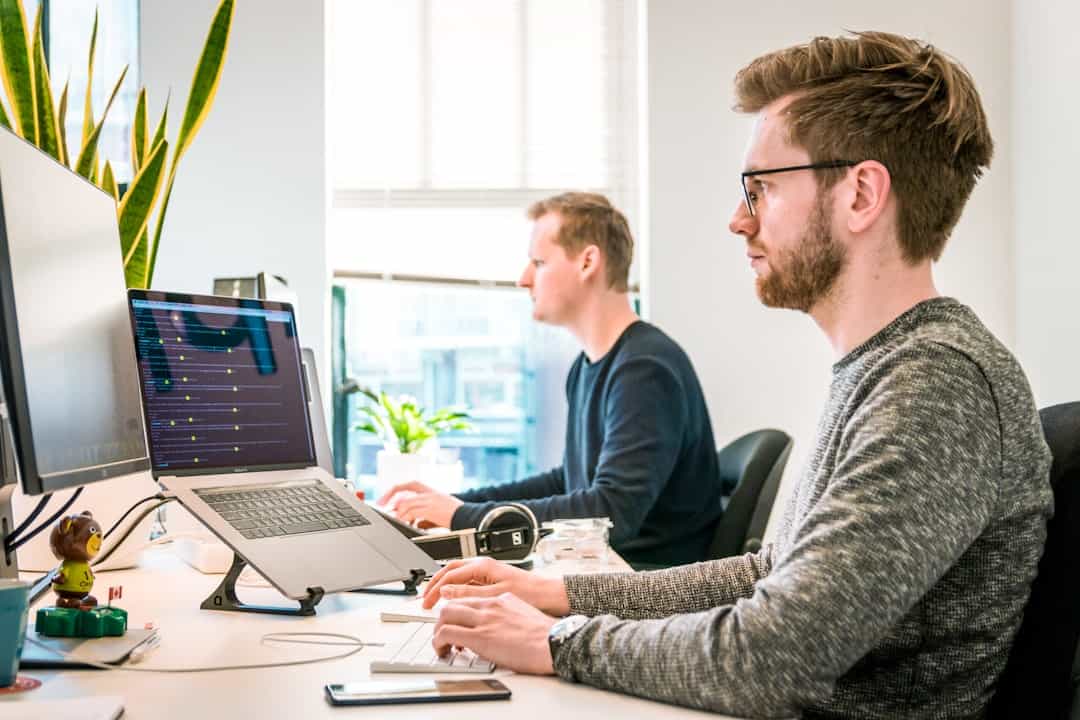
In the ever-evolving world of business, one constant remains – the need for efficient organization. This is particularly true for office managers, who often balance a multitude of tasks, from logistical coordination to personnel management. Navigating through these multifaceted responsibilities requires a deep appreciation of the art of organization. This guide seeks to enlighten office managers worldwide on the emerging trends and invaluable tools designed to optimize office organization. Through this enhanced understanding, they will be better equipped to create a harmonious, efficient, and productive workplace, directly impacting the business’s bottom line. From the impact of disorganization on efficiency to the growing focus on employee mental health in office management, each subsequent section will delve deeper into the subject, providing prescriptive and practical insights. Buckle up, for an enlightening journey into the complex, yet fascinating world of office organization.
Current Business Environment and its Impact on Office Organization
The global pandemic revolutionized the way we work. It moved the majority of the workforce from offices to work from home setups and virtual platforms. As we advance further into 2023, businesses face an unpredictable environment much different from what we’ve seen before. Organizations are now emphasizing care for workers more than ever, reimagining the in-person work experience, and reconsidering return-to-office policies.
Changes in Return-to-Office Policies
No longer does a one-size-fits-all approach to office organization work. Reasons are twofold. Firstly, work habits have changed. For most professionals, the thought of spending five days a week in the office now seems preposterous! They treasure the flexibility afforded to them by the work-from-home setup and are not in a hurry to give it up. Secondly, businesses have become more conscientious of their employees’ health and safety. After more than two years of the pandemic, hygiene and cleanliness in the office have taken center stage.
Policies for return-to-office have seen major upheavals, too. While some voicing concerns about the virus are hesitant to go full throttle, others are more open to adopting a hybrid working model. If you’re an office manager planning on re-opening the office amidst this changing environment, head to our Office Manager’s Guide for insightful suggestions on maintaining a clean and safe workspace.
Increase in Employee Turnover Rates
Another unprecedented result of the current business environment is a sharp increase in employee turnover rates. This turnover spree, often dubbed as the “Great Resignation”, is being caused by many reasons. Top among them are work dissatisfaction, burnout from untraditional work hours, reduced personal time due to blurred home-office boundaries, and the desire for better work flexibility.
Employee turnover not only disrupts continuity but also costs companies valuable time and money spent on recruiting, onboarding, and training new employees. Office organization isn’t immune to these changes either. A constantly changing team affects workplace dynamic, office culture, team relationships, and overall productivity.
Given these scenarios, it’s paramount for businesses to find effective ways to hold on to their valuable employees, provide them with the flexibility they desire, and create a safe, hygienic work environment.
The Impact of Disorganization on Efficiency
Workplace organization, or lack thereof, plays an undeniable role in office efficiency. Piles of documents, untidy desks, and unstructured project management can toss productivity out the window. In fact, according to a global survey, a staggering 27% of employees feel disorganized at work, leading to hurdles in their daily performance. The negative impacts of a chaotic workspace should not be underestimated, as it can directly affect an organization’s productivity and efficiency. Let’s dive deeper into this topic and explore how disorganization impairs workplace efficiency.
The Disturbing Stats
- A whopping 27% of employees worldwide feel disorganized at work, per a global survey.
- A shocking 91% of employees believe they would be more effective if they had improved workspace organization.
The stats above are alarming and revealing about the significance of organization in the workplace. It’s evident that an efficient and orderly workspace is more than just about aesthetics—it dramatically impacts staff productivity.
Untidy Environment Equals Less Productive Employees
The physical environment in which we work greatly influences our productivity levels. Spaces that are cluttered and disorganized tend to zap creativity and diminish concentration. Employees can waste valuable time trying to locate documents or materials, time that could have been used more productively. In short, untidiness is a silent productivity killer.
The Ripple Effects of Disorganization
It’s not just individual productivity that suffers due to workspace disorganization, but also team coordination, client relationships, and overall work morale. Unclear processes and unstructured work contribute to a chaotic workplace, leading to misunderstandings, missed deadlines, and lower overall performance.
“Organization isn’t about perfection; it’s about efficiency, reducing stress and clutter, saving time and money, and improving your overall quality of life.” – Christina Scalise
By now, it’s fair to agree that organization and efficiency are two sides of the same coin. A neat and organized workspace sparks creativity and promotes better focus, leading to improved efficiency in work performance. For more insights on how cleanliness impacts daily productivity, consider our previous blog post, “Cleanliness Impacts Staff Productivity”.
By providing employees with a clean, organized workspace, we can boost productivity, improve morale, and sustain a healthier working environment. Remember, efficiency isn’t a skill, it’s a habit, and it all begins with a tidy workspace. Stay organized!
The Importance of Collaboration Tools in Organizing Workflows
As businesses and teams become more distributed and globalized, the role of collaboration tools in organizing workflows has never been more critical. Digital collaboration tools, which account for an increasingly integral part of work processes, serve as a virtual bridge to connect remote teams, foster communication, streamline tasks, and ensure productive and seamless workflow management. In fact, it is no stretch to say that the contemporary business landscape heavily depends on such tools, with impressive data revealing that approximately 80% of workers now utilizing collaboration tools.
To fully grasp the value of these fantastic business assets, consider the various ways they enhance workflow operations:
- Efficient Communication: Collaborative tools like Slack, Microsoft Teams, or Google Workspace enable teams to communicate in real-time, ensuring everyone stays on the same page. These tools facilitate quick sharing of ideas, lessening the delays that could hamper productivity.
- Task Management: Tools such as Asana and Trello make it easier to track team tasks effectively by providing clear visibility over who is doing what. This fosters accountability and ensures responsibilities are met punctually.
- Document Sharing & Storage: Digital tools like Dropbox and Google Drive pave the way for teams to effortlessly share, store, and retrieve valuable project files, facilitating an uninterrupted workflow.
- Time Management: Leveraging tools like RescueTime can provide valuable insights into how workers use their time, thus establishing a basis for improved efficiency.
Given the landscape of today’s increasingly digital-driven work environment, the importance of collaboration tools in organizing workflows is hard to overstate. They function as the glue that holds the diverse organizational elements together, fostering better coordination, enhancing efficiency, and driving productivity. They serve to empower teams by providing them with a platform to work cohesively, irrespective of their geographical locations.
However, while recognizing the importance of these tools, it is equally significant to choose the right one for your team. A collaboration tool that fits your work environment, resonates with your team’s needs, and aligns with your organizational goals will undeniably set the stage for heightened productivity and success.
In the rapidly evolving world of work, collaboration tools are not just a buzzword. They form a crucial facet of modern business operations. By embracing their use, businesses stand to foster a streamlined, efficient, and cohesive workflow, transforming the world of work, one shared task at a time.
Trends in Flexible Work Arrangements
A wave of change is sweeping across the modern workplace, redefining the conventional 9-to-5 grind. The biggest catalyst? Flexible work arrangements. More than just a fleeting trend, they are increasingly becoming the work standard. A shift driven by increasing demand for work-life balance, global team collaborations, advancements in technology, and a change in employee expectations.
In an enlightening revelation, up to 31% of employees worked from their office on consistent days in the second quarter of 2023, illustrating the evolving work model’s dynamic nature. These consistent office-goers are not alone. Another 32% juggled a semi-consistent schedule, a significant testament to the flexibility wave.
Consider these standout trends that are currently shaping the flexible work arrangements:
- The Hybrid Work Model: This model presents a balanced blend of remote and in-office work. It allows employees to enjoy the comfort of working from home at their convenience and the traditional office’s structure and socialization.
- Flexible Working Hours: Enabling employees to determine their work hours boosts their engagement and productivity. These include compressed work weeks, staggered hours, and flextime that recognize the varying personal commitments and peak productivity times of different individuals.
- Job Sharing: This innovative approach enables two people to share the responsibilities of one full-time position, promoting a healthier work-life balance. It also broadens skill sets as employees learn from their job-sharing partners.
- Co-Working Spaces: These are shared workspaces that provide an office-like environment that is less formal. They offer networking opportunities and provide a sense of community among remote and freelance workers.
The driving force behind these workplace trends is the answer to one fundamental question: How can we maximize productivity and employee happiness? In answering this, organizations have yielded to the rising tide of flexible work arrangements. These trends paint a promising picture of the future of work while promoting diversity, inclusivity, and employee well-being.
These flexible work arrangements are not just leaving employees happier and more balanced. They’re also reaping significant benefits for businesses. These include broader access to talent pools, higher workforce productivity, improved retention rates, and cost savings.
Embracing these flexible work trends does not come without its challenges, of course. These include managing remote teams, fostering a unified culture, and ensuring effective communication and collaboration. However, with advanced technology solutions and astute strategies in place, overcoming these hurdles seems entirely achievable.
The flexible work arrangement trends of today are an exciting preview of the future of work. A future where the rigid office walls are no longer a boundary, and the traditional clock doesn’t dictate productivity. Instead, flexibility reigns, with the employee at the helm of their work journey. Businesses that have embraced these trends are not simply going with the flow. They are actively shaping the future of work while enhancing their competitiveness in today’s dynamic business landscape.
Investments in Technology for Office Efficiency
In the digital age, investments in technology are no longer a luxury but rather a necessity for any business aiming to keep pace with the fast-evolving corporate landscape. Integrating smart technology into office operations can drastically improve efficiency, thereby saving time, reducing costs, and enhancing overall productivity.
One particularly noteworthy trend that has captured the attention of forward-thinking business owners globally is the rise of the smart office. These technologically advanced workplaces leverage cutting-edge tools and systems to automate and streamline various daily tasks, leading to significant boosts in efficiency. The smart office market is growing at an incredible pace, with analysts predicting it to be valued at more than $90 billion by 2024.
So, what does opting for a smarter office mean for your business? Here are a few compelling reasons to consider:
- Time-saving automation: With the help of smart algorithms and sophisticated AI, menial and time-consuming tasks can be outsourced to automated systems. This includes administrative duties, appointment scheduling, inventory management, and more.
- Enhanced communication: Communication tools like instant messaging, video conferencing, and project management software can seamlessly connect teams, both within and outside the office, promoting better collaboration and more agile decision-making processes.
- Improved security: The likes of access control systems, video surveillance, and data encryption can offer peace of mind by ensuring both physical and digital security.
- Energy efficiency: Smart lighting, heating, and cooling systems can adapt to preferences and usage patterns, resulting in substantial energy savings and a greener workspace.
Embracing the smart office phenomenon is not just about riding the latest tech trend – it’s about transforming and elevating your business operations. Recognizing the potential and significant value it offers can lead to a fruitful long-term investment, streamlining your day-to-day processes for a more efficient future. Remember, investing in technology is synonymous with investing in progress. The future of work is smart – is your office ready to adapt?
The Trend of Office Downsizing
It’s impossible not to notice – offices are shrinking. In this new normal era marked by the Covid-19 pandemic and emerging remote work culture, organizations around the world have started rethinking their physical office spaces. The trend of office downsizing has taken center stage as companies strive to adapt to the changing business and workforce landscape. This paradigm shift isn’t merely a knee-jerk reaction to the ongoing health crisis but a strategic response to overhauled operational efficiencies, changing employee expectations, and mounting real estate costs.
Recent data has revealed a surprising turn of events: an enormous 80% of offices have downsized since the pandemic started. This shrinking of corporate real estate is not just about cost-saving, though that is a significant driver. There are a few other key factors pushing this trend:
- Remote work and hybrid models: With a large portion of the workforce shifting to remote or hybrid work models, companies no longer require extensive physical spaces. The reduced on-site staff size naturally translates to smaller offices.
- Cost-effectiveness: The financial impact of maintaining large offices is significant. Downsizing allows organizations to cut costs, reallocating resources to critical business areas like research and development, marketing, and employee benefits.
- Green Initiatives: Smaller offices equate to reduced energy consumption, aligning with the sustainability initiatives of many companies. Organizations are becoming more environmentally conscious, seeking ways to reduce their carbon footprint.
- Technological advancements: The rise of digital collaboration tools and platforms reduces the need for traditional office spaces. An increasing number of meetings, conferences, and collaborative works are conducted virtually, making expansive office spaces less essential.
“The office as we knew it is being redefined. The effectively downsized workplace is not just about smaller physical spaces but also about smarter spaces.”
Office downsizing does not mean the end of the office. Instead, it’s a transformative journey towards a new kind of workspace – more agile, sustainable, and consistent with the evolving working cultures. It’s a bold new world out there, and companies are finding creative ways to adapt their office spaces to keep pace, ensuring their purpose and function align with a forever-altered corporate reality.
Tips to Improve Desk Organization
Desk organization is an essential aspect of productivity in any workspace, whether you’re a student, freelancer, or corporate executive. A well-organized desk not only visually appeases but also dramatically uplifts your productivity levels. How so, you ask? A tidy workspace reduces unnecessary distractions, enabling you to remain focused on your work. Here are a few tips to improve your desk organization that will take your productivity to the next level:
Utilize Vertical Space:
First on our list is utilizing the often underappreciated vertical space.
- Installing shelves, pegboards, or wall organizers is an excellent way to clear clutter from your desk surface.
- Consider hanging items such as calendars, headphones, or even light desk supplies to free up your workspace.
Keep Items Within Reach:
Efficiency often lies in the little details – such as how quickly you can get your hands on your supplies.
- Keep your most-used items at an arm’s reach. This might include your laptop, pens, notepads, or a cup of coffee.
- Frequently used files and documents should be kept in an easy-to-reach spot to prevent wasting time hunting for them.
Embrace Desk Organizers:
Desk organizers are the unsung heroes in maintaining an orderly workspace.
- Using a dedicated stationery holder can prevent your pens from disappearing beneath heaps of paper.
- A document tray or folder can keep your papers sorted and readily available.
“An organized workspace is a portrayal of an organized mind.”
Remember, an organized workspace fosters a clear mind, enabling you to focus more and be more productive. By incorporating these easy and practical tips, transforming your cluttered desk into an organized workspace can become a breeze.
Lastly, remember that these are mere guidelines. Mix and match and find out what works best for your routine. After all, the objective is to boost your productivity, comfort, and overall happiness in your workspace.
So, go ahead, declutter and organize because a well-structured desk is indeed the cornerstone of higher productivity.
Improving Workspace Efficiency in 2023
Streamlining Processes for Greater Efficiency
In a digitized world, fostering efficiency in the workspace is a top priority for any ambitious organization. With the approaching dawn of 2023, enterprises across the globe are focusing on streamlining their processes to ensure operational efficiency and team productivity.
The efficiency in a workspace isn’t just about quick and error-free completion of tasks. Instead, it goes far beyond this fundamental principle. It’s about optimizing workflows, reducing time-waste, and creating an environment conducive to productivity and creativity.
There are several actionable steps through which organizations can enhance their workspace efficiency:
- Adopt Technological Tools: The use of technological tools like project management software, digital cabinets for file organization, and automated systems to monitor tasks effectively reduces manual work, allowing employees to invest their time and energy in creative or strategic roles.
- Prioritize Communication: Open and transparent communication fosters a collaborative workspace, helps avoid misunderstanding, promotes the exchange of ideas, and speeds up the decision-making process.
- Flexible Workspace: Employees should have the freedom to work in ways that make them most productive, may it be in an office, a coffee shop, or from home. Flexibility enhances productivity, reduces stress, and improves employee engagement.
- Employee Training: Upskill your team members with the latest industry practices, technical skills, and professional etiquette. A well-trained workforce is a significant boost to workspace efficiency.
In essence, improving workspace efficiency in 2023 will require a marriage of technology and humanity. While the past years have taught organizations the importance of digital tools in maintaining operational continuity, they’ve also highlighted the critical role of human skills such as empathy, creativity, and communication in ensuring a productive workspace. Balancing the two seamlessly is the key to attaining maximal workspace efficiency.
“Organizations need to streamline processes and prioritize organization.” The quote from a seasoned business executive sums up quite effectively the requirement for a productive business. So, gear up and embrace this blend of digital and human aspects in your workspace. With a bit of preparation and strategic planning, 2023 will pave the way for exceptional workplace efficiency and overall growth.
The Rising Focus on Employee Mental Health in Office Management
In the hyper-connected world we live in today, businesses are no longer solely driven by profit margins and product development. Instead, there is a rising awareness of the significance of prioritizing employee mental health. Companies are beginning to acknowledge that a mentally healthy staff base is key to maintaining productivity and fostering a sustainable, enjoyable work environment. The focus on employee mental health has surged, and as such, holistic approaches to office management have become essentials, not mere supplements.
One of the unique strategies businesses use to enhance the mental health of employees is outsourcing non-core tasks such as cleaning. This not only aids in maintaining a clean and conducive environment, but it also eases the pressure on employees. It allows them to focus solely on their primary duties without having to worry about keeping the workspace neat and organized.
By Outsourcing Cleaning Tasks, businesses are essentially investing in their employees’ mental well-being. It signifies a conscious effort to create an environment that’s physically clean and mentally freeing. This simple step can reap enormous rewards, boosting employee morale, decreasing stress levels, and leading to overall business growth.
It’s also worth noting that companies are increasingly utilizing resources to equip staff with mental health support—whether in the form of counselling services, wellbeing workshops, or flexible working schedules. These include:
- On-site therapists and mental health professionals.
- Training and workshops on managing stress and fostering mindfulness.
- Encouraging open dialogue about mental health issues.
- Providing services like Employee Assistance Programs.
Indeed, the emphasis on employee mental health has seen a meteoric rise. It’s not an overstatement to say that tomorrow’s successful businesses will be those that prioritize their employees’ holistic well-being today. Subtle changes such as outsourcing cleaning tasks can make a substantial impact on the mental health of employees, thus creating a thriving, caring corporate culture where every team member feels valued. Therefore, within the evolving landscape of office management, mental health is not merely a focus – it’s an imperative.
Conclusion
With the evolving business landscape and increasing demands for office efficiency and productivity, it’s clear that impeccable organization plays a pivotal role in office management. Emphasizing neatness, structure, and collaboration ensures that we navigate these trends adeptly. Businesses need to equip themselves with state-of-the-art technologies that streamline processes and foster communication. A flexible approach towards work arrangements and due emphasis on employee mental health, can go miles in enhancing the overall workspace efficacy.
Additionally, ensuring the physical cleanliness and tidiness of a workstation is paramount to the overall efficiency of an office. A clean environment fosters higher productivity levels, improved mental well-being, and happier employees. That’s where we, at Perfection Professionals, lend our expertise. Our range of professional services ensures that your office space always looks inviting and remains conducive to productive work.
In closing, remember that office organization is an ongoing process, but the effort pays off in terms of efficiency, productivity, and a happy work environment. Transform your workspace today for a brighter, more efficient future.
Frequently Asked Questions
- What are the key skills required for office managers to be effective in organizing?
Key skills required for office managers to be effective in organizing include time management, attention to detail, communication, problem-solving, multitasking, and the ability to prioritize tasks.
- How can office managers create an efficient filing system?
To create an efficient filing system, office managers can organize documents by category or function, use clear and consistent naming conventions, implement a color-coded system, regularly declutter and archive old files, and utilize digital storage solutions.
- What techniques can office managers employ to improve office workflow?
Office managers can improve office workflow by streamlining processes, implementing effective communication channels, establishing clear expectations and deadlines, delegating tasks efficiently, and regularly reviewing and improving existing workflows.
- What are some strategies for effective task delegation for office managers?
Effective task delegation for office managers involves assessing each team member’s strengths and capabilities, assigning tasks based on skill sets, providing clear instructions and expectations, maintaining open communication, and regularly following up on progress.
- How can office managers maintain an organized and clutter-free workspace?
Office managers can maintain an organized and clutter-free workspace by implementing a clean desk policy, utilizing storage solutions such as shelves and cabinets, limiting personal items, regularly decluttering, and encouraging employees to keep their work areas tidy.