
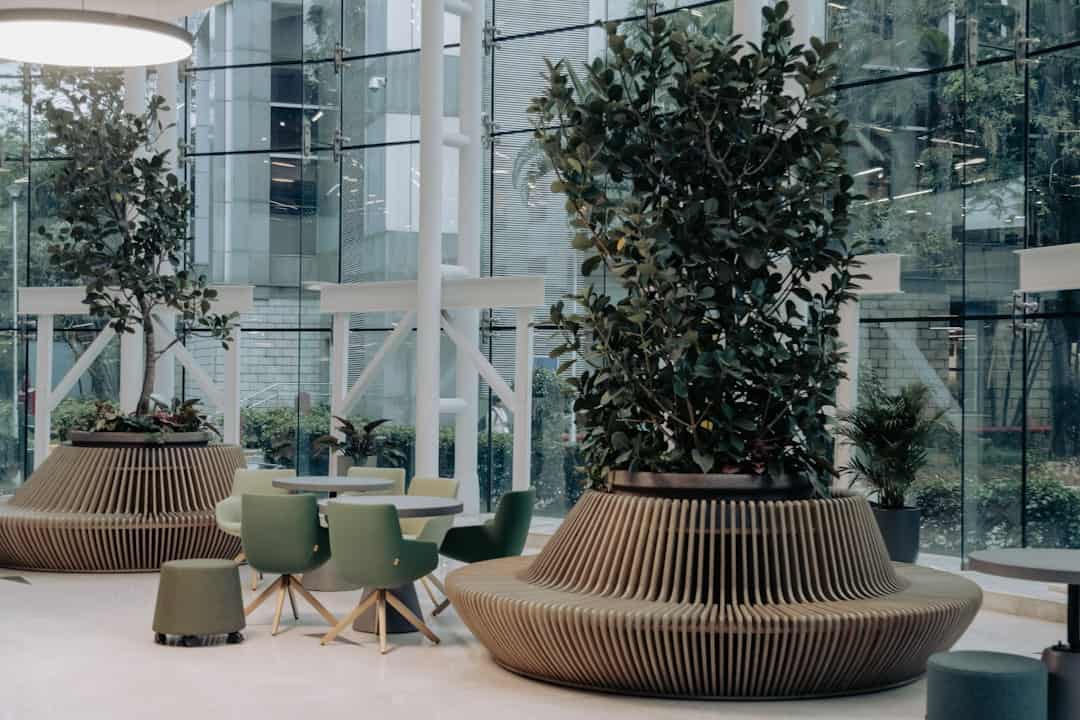
In a bustling office, cleanliness might be the last thing on anyone’s mind. Between meeting deadlines, handling customer inquiries, and improving operational efficiency, office cleanliness often takes a backseat. Contrary to what some may believe, a clean work environment plays a significant role in business success. It’s more than just the physical appearance; a clean office impacts the overall health and well-being of the employees, their productivity levels, and the business image. This comprehensive guide is designed to offer insights on how office managers can maintain a clean and healthy work environment, promoting both the success of the employees and the business.
Understanding the Importance of a Clean Office Environment
Maintaining cleanliness in the office might not be the first thing on your daily task list, but perhaps it should be. The cleanliness of a work environment significantly impacts the productivity, health, and overall well-being of your employees and can even influence your company’s reputation. Lets delve more into why a clean office environment is so crucial.
Health Benefits
First and foremost, a clean office environment leads to healthier employees. Various studies have shown that offices are home to myriads of pathogens, and a regular cleaning routine can significantly reduce the prevalence of these harmful germs.
- Reduced Sick Days: Regular professional cleaning services can eliminate harmful bacteria, lowering the chances of employees falling sick and, thus, reducing the number of sick leaves.
- Quality Indoor Air: A clean office can significantly improve the quality of indoor air. Investing in air purifiers, regular carpet cleaning, and proper ventilation systems can work wonders in maintaining high indoor air quality.
- Allergy Prevention: Regular cleaning can help keep common allergens such as dust mites and mold at bay, significantly reducing allergy symptoms among employees who might be sensitive.
Improved Productivity and Morale
A clean, fresh, and organized workspace can do wonders for employees’ morale and productivity.
- Less Clutter, More Focus: A clutter-free desk is synonymous with a clutter-free mind. When employees have a neat workspace, they can better concentrate on their tasks without being distracted by the surrounding chaos.
- Boosted Morale: Cleanliness shows that the company values its employees and their well-being, which, in turn, increases job satisfaction and morale.
- Enhanced Efficiency: With everything in its place, employees are less likely to waste time looking for misplaced items, leading to enhanced work efficiency.
Professionalism and Image Maintenance
First impressions count. A clean and tidy office reflects a sense of professionalism and shows potential clients that you care about your company and your employees.
- Client Perception: A clean office environment welcomes guests and suggests a detail-oriented, strong, and professional business. It serves as a visual representation of your brand’s values and culture.
- Shows Respect: Keeping a clean workplace shows that the firm respects its employees and acknowledges their efforts. It likewise sends signals of respect to anyone who walks through the office doors.
- Days of Celebration: A clean office facilitates smoother operations for celebrating company achievements, birthdays, or hosting other company events.
Having unpacked the benefits, it’s evident that fostering a clean office environment is no trivial matter but a cornerstone of a productive and successful business. It not only promotes a healthier workforce but also catalyzes productivity and ensures that the company’s image shines bright as a beacon of professionalism. So, make office cleaning an essential part of your office management strategy. No one ever regretted working in a clean and thriving environment!
Key Areas of Focus in Office Cleanliness
A clean and well-organized office does not only reflect the level of professionalism in your corporate culture but also significantly impacts employee health, productivity, and morale. Let’s look at the key areas that require meticulous attention to ensure a sparkling clean and highly efficient workspace.
Sanitation and Hygiene
In the current global landscape, maintaining high standards of sanitation and hygiene in offices has become more of a necessity than just a good-to-have feature. Regular disinfection of high-frequency touchpoints like doorknobs, elevator buttons, workstations, etc., is critical to restricting the spread of germs. Additionally, office restrooms need to be cleaned and sanitized frequently to curb the proliferation of bacteria.
- Daily cleaning of all surfaces
- Regular disinfection of high-touch areas
- Strict restroom cleaning schedule
Waste Management
Effective waste management serves dual purposes: it keeps the office premises clean and contributes to environmental sustainability efforts. Encourage staff to recycle or dispose of waste properly using clearly labeled bins. Regular and timely removal of waste prevents odor, pest infestations and maintains a pleasant office environment.
- Provision of labeled waste bins
- Regular waste removal schedule
- Encouragement of recycling habits
Clean Air and Ventilation
Proper ventilation and clean air go beyond just opening a few windows. Regular cleaning of air ducts and maintaining HVAC systems are vital in keeping the office air fresh and free from pollutants. Indoor plants can also contribute to better air quality.
- Regular HVAC system maintenance
- Use of air purifiers
- Introduction of indoor plants
Workspace Organization
A well-organized workspace could dramatically increase productivity by reducing time spent searching for documents or tools. When everything is in its designated place, it not only maintains the office’s neatness but also enhances the general workflow. For insightful guidance on this matter, you can refer to our post detailing Tips for Better Organization.
- Labelled filing systems
- Regular decluttering of workstations
- Use of digital tools for document management
Keeping these crucial areas in check could transform your office into a clean, efficient and healthy space. Remember, a clean office isn’t just a vanity factor but a contributing component to your company’s overall success.
Implementing Office Cleaning Policies
From the onset, every business establishment needs to keep its premises clean and aesthetically pleasing. Not only does this promote a healthy work environment, but it also reflects well on the company’s image. While this may seem like common sense, implementing office cleaning policies is easier said than done. This article will delve deep into creating a clean workplace with the help of well-defined standards, employee involvement, professional services, and inspection protocols.
Setting Cleaning Standards
Setting cleaning standards is the first step towards creating a clean office space. These norms should address cleanliness from a holistic perspective – from dusting workspaces to keeping shared areas sanitized. However, the standards should not be too rigid to follow. Instead, they should serve as a benchmark for cleanliness in the office. For instance, guidelines produced can vary based on factors like the number of staff, office size, and the nature of work performed in each area.
Employee Involvement and Responsibility
By involving employees in the cleaning regimen, they’ll feel more accountable for preserving their workspace’s cleanliness. Encouraging them also helps meld the practice into the company’s culture, fostering collective responsibility. Simple initiatives like clean-desk policies or assigning daily cleaning tasks can significantly contribute to maintaining office cleanliness. Ultimately, making cleanliness a shared endeavor goes a long way.
Professional Cleaning Services
Party to employee efforts, some cleaning tasks are best left to the professionals. Deep cleaning and regular maintenance of office structures such as carpets, cubicles, and lights require special equipment and expertise which most businesses might not avail. This is where professional cleaning services become essential. The Outsourcing Business Cleaning Tasks article provides a deeper insight into the major benefits of this approach.
Regular Inspections and Audits
To ensure that the cleaning standards are being upheld, regular inspections and audits are a must. These assessments help identify areas of improvement and enable you to stay on top of your office cleaning policies. Furthermore, audits can reveal efficiency gaps, such as the need for additional cleaning personnel or the use of more effective cleaning products.
Keeping the office clean is not just an aesthetic choice but a commitment to creating a comfortable and healthier work environment. It involves everyone from the employees who use the space daily to the professionals who keep it in prime condition. Remember, a clean office isn’t merely an agenda item – it’s a manifestation of the company’s values. By implementing strict office cleaning policies, companies can foster respect and concern for the shared work environment and the well-being of everyone therein.
Maintaining a Healthy Environment
Maintaining a healthy environment isn’t just about being eco-friendly. It’s about fostering a space that supports the overall wellbeing of those residing, visiting, or working in it. This may include promoting hygiene practices, providing health amenities, ensuring accessibility to essential supplies, and implementing COVID-19 protocols. Let’s dive deeper into each.
Encouraging Healthy Hygiene Practices
If you’ve ever noticed signs in a restroom reminding us to wash our hands or a memo at the office promoting cough etiquette, you’ve witnessed a small act aimed at fostering a healthier environment.
- Integrating handwashing stations or hand sanitizer dispensers at strategic points
- Promoting respiratory hygiene by practicing cough etiquette
- Encouraging healthy diet and regular exercises
- Prompting safe and responsible waste disposal
Remembering that foundational to any healthy environment is a culture that values and encourages hygiene practices might just transform how we live and interact within these spaces.
Provision of Amenities for Health and Wellbeing
A healthy environment is also responsive to an individual’s health and wellbeing needs. This entails the provision of amenities that foster health and wellness.
- Indoor plants to purify the air and create a calming ambience
- Seats with proper ergonomic design to avoid work-related injuries
- Access to clean drinking water
- Health and fitness facilities, like a gym in an office or residential building
As we start to pay more attention, we’ll find how these amenities mold our experiences in these spaces, and how invaluable they are to promoting our overall wellbeing.
Ensuring Accessibility to Essential Supplies
Accessibility to essentials is another noteworthy component in maintaining a healthy environment. This practice ensures everyone, regardless of their circumstances, can access what they need when they need it.
- Ensuring first aid kits are within easy reach and well-stocked
- Providing sanitary products in restrooms
Imagine the peace of mind knowing that if an accident happens, help isn’t far away. Or, if you’ve forgotten or unexpectedly need a sanitary product, it’s readily available in the restroom.
Covid-19 Protocols and Essentials
Beyond our regular health and wellness routines, the coming of the Covid-19 pandemic has added another layer to maintaining a healthy environment. Incorporating Covid-19 safety measures into our spaces prompts us to stay aware and informed while also reminding us to continue nurturing our health and wellbeing amid the pandemic.
- Providing masks and sanitizers for everyone.
- Ensuring physical distancing in seating and standing arrangements.
- Regular sanitization of high-contact surfaces.
- Implementing frequent health checks.
With these proactive measures, we’re not just reacting to the pandemic, we’re actively promoting a safer, healthier space for all.
Maintaining a healthy environment is an ongoing commitment. It requires consistent effort, awareness, and improvisation. As we explore the different aspects of such an environment, it becomes clear how interconnected they are and how each one contributes to the creation of a space conducive to health and wellbeing. By adopting these practices, we can ensure that our environments cater to not just our needs, but those of everyone who shares our spaces.
Practical Tips for Office Managers
Devising practical solutions for daily office management mishaps is certainly not an appealing task for many. However, a skilled office manager can effortlessly implement strategies that not only increase productivity but also create a pleasant work environment for everyone. Let’s dive into some tips that can turn daily office miles into smooth rides.
Effective Communication of Policies
Clear communication is the bedrock of efficient office management. From work timings to coffee machine usage, policies need to be communicated crystal clear to avoid confusion. Providing a detailed explanation can help employees understand the rationale behind each rule, leading to better compliance. Here are a few hints to keep in mind:
- Transparent and Regular Updates: Office policies might change over time, and the staff needs to be proactively updated about it. Regular newsletter updates, meetings or an office bulletin can be an effective way to communicate the changes.
- Constructive Feedback: Constructive feedback channels facilitate two-way communication and encourage employees to voice their concerns or suggestions. This sort of open dialogue strengthens the overall team spirit and morale.
- Clarity is the Key: Avoid using jargon while crafting office policies. Keep it simple, direct, and comprehensible for everyone.
Regular Training Sessions
One practical way Office managers can ensure their teams are always on the top of their game is by organizing regular training sessions. These sessions are not just about professional skills but also cover essential soft skills like communication, stress management or teamwork.
- Skill based Workshops: Invest in workshops that enhance team’s professional capabilities, such as data analysis, project management or design thinking.
- Soft-Skills Training: Workshops on leadership, time-management or emotional intelligence can contribute tremendously in shaping a team’s dynamics.
- Physical Wellness Programs: Encouraging physical wellness programs can be a gamechanger for an office environment. Yoga or meditation sessions are known to increase focus and productivity.
Leading by Example
The most effective way of ensuring policy compliance is by leading with example. If an office manager adheres to the guidelines, others will follow suit. A punctual manager encourages punctuality, a tidy manager motivates tidy practices and so on. This principle can be extended to every function in an office setting, from smaller tasks like taking care of office supplies to essential duties like office maintenance. As an example, if the manager devotes time and commitment to the cleanliness of the workplace, it encourages everyone else to do the same. Read these excellent Carpet Care Tips to get an idea of how simple tasks can significantly enhance the office environment.
Every office task shouldn’t be an uphill climb. with thoughtful strategies and effective leadership; you can ensure a smooth sail. Breathe in, take charge, and watch your office setting transform remarkably.
Conclusion
Maintaining a clean office environment is not merely a responsibility imposed on office managers, rather it is an integral aspect that contributes to the overall success and productivity of a business. Upholding hygiene, sanitation, and cleanliness should be shared among all employees, creating an atmosphere of respect and care for the shared workspace.
Regular employee training, clear communication of cleanliness policies, and consistent leadership come a long way in maintaining a healthy work environment. However, for specialized cleaning tasks and to ensure a perfect cleaning standard, consider seeking assistance from a reliable cleaning service provider such as Perfection Professionals. Their wide range of services and tailored approach will ensure your workspace stays immaculate, thus enriching the professional image of your business, and creating a positive and healthy atmosphere for all.
By incorporating these tips and strategies, office managers can successfully establish and maintain a healthy, clean, and productivity-enhancing office environment.
Frequently Asked Questions
- Why is maintaining a clean and healthy environment important in the workplace?
Maintaining a clean and healthy environment in the workplace is important for several reasons. It helps prevent the spread of germs, reduces the risk of illnesses among employees, promotes productivity and morale, and creates a positive impression on clients and visitors.
- What are some key cleaning practices that office managers should implement?
Office managers should implement regular cleaning practices such as daily surface cleaning and disinfecting, vacuuming or mopping floors, sanitizing high-touch areas, emptying trash regularly, and ensuring proper ventilation. They should also develop cleaning schedules and provide necessary cleaning supplies.
- How can office managers promote a healthy environment in the workplace?
Office managers can promote a healthy environment by encouraging employees to practice good hygiene, providing hand sanitizers and tissues in common areas, promoting regular handwashing, conducting wellness programs, and creating a culture of cleanliness and wellness.
- Are there any eco-friendly cleaning products that office managers can use?
Yes, there are many eco-friendly cleaning products available in the market that office managers can use. These products are safer for both the environment and the employees as they contain fewer harmful chemicals. Look for products with eco-friendly certifications and labels.
- How often should office managers conduct deep cleaning in the workplace?
The frequency of deep cleaning in the workplace depends on various factors such as the size of the office, the nature of the business, and the number of employees. However, it is generally recommended to conduct deep cleaning at least once or twice a year to maintain a clean and healthy environment.