
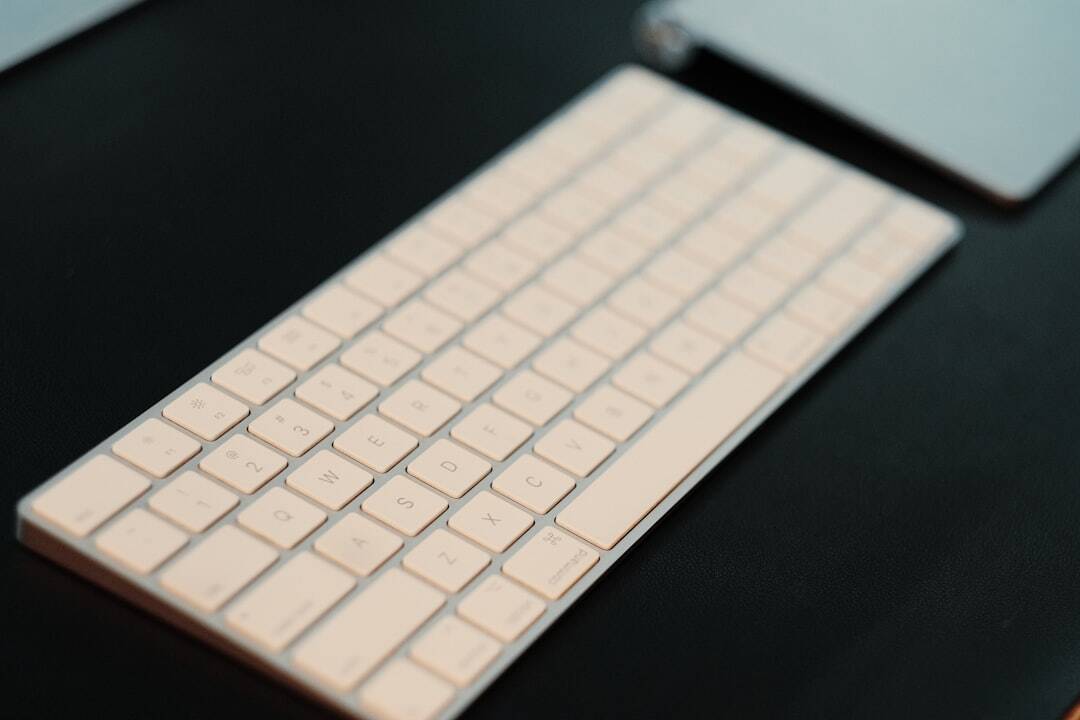
In today’s fast-paced work environment, we often underestimate the significant role that interior design plays in maintaining a clean and organized office. An inviting and well-designed workspace not only enhances aesthetics but also fosters a sense of professionalism and well-being among employees. As we navigate through this exploration of how interior design complements office cleanliness, we will uncover the multitude of ways that thoughtful design choices can elevate hygiene practices, boost productivity, and promote a healthier workplace culture.
When we talk about office cleanliness, it’s more than just arranging furniture or choosing a pleasing color palette; it’s about creating an atmosphere that encourages employees to take pride in their space. From optimizing layout to selecting specific materials, every design element can influence how cleanliness is perceived and maintained. Let’s take a closer look at how the intersection of interior design and cleanliness enriches not only our workspaces but also the overall employee experience.
The Importance of a Clean Office Environment
Creating a clean office environment is more than just a matter of aesthetics; it significantly affects how we work and interact with one another. When we prioritize cleanliness in our workspace, we not only enhance the overall atmosphere but also cultivate a culture of professionalism and respect. Let’s delve into the tangible benefits that come from maintaining a tidy office and explore just how essential this practice is for our collective success.
Impact on Productivity
A clean office can lead to remarkable leaps in productivity. When our workspaces are organized and free from clutter, we can concentrate better on our tasks. Studies have shown that employees in clean environments are more focused and less distracted by unnecessary visual noise around them.
Here are some key insights about how cleanliness fuels productivity:
- Reduced Distractions: A tidy desk allows us to focus on the task at hand without being distracted by clutter.
- Boosted Morale: When we take pride in our environment, we naturally feel more positive and motivated. A clean and well-maintained office improves our mood and encourages collaboration.
- Time Efficiency: Locating important documents and supplies becomes easier in a clean environment. We waste less time searching for items, which enhances our workflow.
When we work in a clear space, we can better clear our minds, enabling us to deliver our best work consistently.
Benefits for Employee Health
Another critical aspect of a clean office environment is its impact on our health. A clean workplace isn’t just about looking good; it plays an essential role in fostering a healthier workforce.
Here’s how cleanliness contributes to employee health:
- Reduction of Germs and Illness: Regular cleaning helps minimize the spread of germs, which is vital in keeping illness at bay. A spotless office can lead to fewer sick days and a healthier team overall.
- Enhanced Air Quality: Dust and allergens can accumulate in dirty offices, negatively affecting air quality. Keeping our surroundings clean promotes better ventilation and reduces respiratory issues.
- Stress Reduction: A clean and organized environment reduces stress and anxiety levels. When we feel relaxed in our space, we are better equipped to handle challenging tasks and demands.
By adopting a culture of cleanliness, we prioritize not only our productivity but our health as well.
As we recognize the importance of a clean office environment, we foster a workplace that is conducive to success, collaboration, and well-being. Making a concerted effort to maintain a tidy workspace is more than a good practice; it’s a significant commitment to our collective achievements and health. Each of us plays a vital role in this process, ensuring that we contribute to a thriving work atmosphere.
Key Elements of Interior Design that Promote Cleanliness
Creating an inviting and clean space is more than just tidying up; it’s about strategically utilizing design elements that foster a sense of order and peace. In our journey through the world of interior design, we’ve uncovered several key elements that not only enhance the beauty of a space but also promote an ongoing sense of cleanliness. Let’s explore these essential components together!
Color Schemes
When we think about cleanliness in design, color plays a pivotal role. The colors we choose can significantly impact how tidy a room feels. Here are some aspects to consider:
- Light and Airy Hues: Soft whites, pastels, and light neutrals create an open and spacious feel that instantly brightens a room. These shades can make surfaces appear cleaner and reduce the visibility of dust.
- Consistency is Key: Sticking to a cohesive color palette throughout our space minimizes visual clutter. By using complementary colors across different rooms, we can weave a seamless thread that unifies our design.
- Accent Colors: Adding carefully chosen accent colors can refresh a space without overwhelming it. Opt for brighter, bolder shades on smaller accessories or artwork that can be easily swapped out, maintaining an ongoing clean look.
Furniture Arrangement
The way we arrange furniture can drastically influence how clean and organized our space feels. Here’s what we’ve found works best:
- Space Optimization: By placing furniture strategically, we can create a smooth flow through our rooms. Leaving open pathways reduces the chance of clutter accumulating in tight spaces.
- Multifunctional Pieces: Utilizing furniture that serves multiple purposes, such as an ottoman that doubles as storage or a coffee table that can hold magazines out of sight, helps us keep surfaces clean and organized.
- Zoning Areas: Designing distinct functional zones within a room can help us manage the space better. For instance, a dedicated reading nook or play area creates designated places for items, minimizing mess.
Materials and Textures
Selecting the right materials is essential in promoting a clean environment. Here are some insights into effective choices:
- Easy-to-Clean Surfaces: Opting for materials such as leather, microfibre, or sealed wood can make a world of difference in maintenance. These materials resist stains and are easier to wipe down when necessary.
- Natural Textures: Introducing natural textures can add warmth to a space while remaining practical. For example, a jute rug not only brings an earthy touch but is often easier to clean than a more delicate fabric.
- Minimal Decor: We should also consider minimizing decorative objects which can collect dust. A few well-placed, meaningful items can make a statement without contributing to clutter.
Lighting Solutions
Finally, the right lighting can elevate cleanliness further. Here’s how:
- Natural Light: Maximizing natural light not only brightens our space but also provides a visual cleanliness that’s hard to beat. Large windows or strategically placed mirrors can enhance the light, making rooms feel more spacious and germ-free.
- Layering Light: Combining ambient, task, and accent lighting can help us highlight clean spaces and draw attention away from less organized areas. Dimming options can help us set a mood that feels fresh and inviting.
- Fixture Maintenance: Choosing light fixtures that are easy to clean, such as flush-mounted ceiling lights, ensures that dust and grime don’t accumulate and tarnish our efforts.
While each of these elements plays a significant role in promoting cleanliness in our interior spaces, integrating them carefully allows us to create a harmonious, attractive, and easy-to-maintain environment. Investing thoughtful attention in these areas ultimately leads us to a home that feels as good as it looks. By embracing these principles, we not only enhance our aesthetic but also cultivate a healthier atmosphere.
Connecting Interior Design with Hygiene Practices
In today’s world, the synergy between interior design and hygiene practices has never been more vital. As we navigate the intricacies of our environments, understanding how these elements collaborate can enhance not only aesthetic appeal but also the overall health of our spaces. Embracing the right design principles can lead to cleaner, more accessible environments, while innovative technologies can seamlessly integrate into our daily routines, ensuring we maintain a hygienic lifestyle. Let’s explore how we can harmonize these two crucial aspects.
Design for Accessibility in Cleaning
Creating spaces that prioritize accessibility not only serves our aesthetic desires but also encourages frequent cleaning and maintenance. By implementing thoughtful design choices, we can make it far easier for us to keep our surroundings pristine.
Consider these practical design tips:
- Open Layouts: Incorporating open floor plans can minimize the number of corners and hard-to-reach spots that collect dust and dirt, making cleaning tasks quicker and easier.
- Material Selection: Opting for materials that are easy to clean, such as tiles or sealed hardwood, can significantly reduce maintenance time. Plus, these surfaces are often more resistant to stains and bacteria.
- Strategically Placed Storage: We can keep clutter to a minimum by integrating clever storage solutions, which not only beautify our spaces but also promote easy cleaning. Built-in shelving or multifunctional furniture can help maintain order.
- Thoughtful Furniture Arrangements: Positioning furniture to allow for effortless movement can enhance cleaning efficiency. For example, using legs on sofas or chairs elevates them off the floor, making it easier to vacuum or mop underneath.
By focusing on these elements, we pave the way for a cleaner, more organized space that supports our well-being and promotes lasting hygiene.
Incorporating Technology for Cleanliness
The integration of smart technology into our interior design is a game changer when it comes to maintaining cleanliness. These innovative tools can provide valuable insights on cleanliness and may even help streamline our cleaning routines.
Here are some ways we can incorporate technology into our hygienic practices:
- Smart Sensors: Devices that monitor air quality or humidity can provide ongoing feedback, alerting us when it’s time to clean or ventilate a room.
- Automated Cleaning Devices: Robotic vacuum cleaners and mops can ensure that our floors are consistently cleaned, even when we are busy or away from home. We can schedule these gadgets to work at our convenience, keeping our spaces tidy without much effort.
- Connected Appliances: Refrigerators, ovens, and dishwashers that offer cleaning notifications or maintenance reminders can minimize the burden of upkeep. This foresight allows us to address issues before they become more significant problems.
- Hygiene-Tracking Apps: Many apps are designed to help us track our cleaning schedules and routines. By setting reminders for regular cleaning tasks, we foster a hygienic environment that feels effortless.
By blending technology with design, we create homes that not only look great but also prioritize our health and cleanliness. This discerning approach allows us to embrace environments that nurture our lifestyles and well-being effectively.
As we move forward, it’s crucial for us to view interior design and hygiene practices as intertwined elements—each enhances the other. With thoughtful planning and the right tech tools, we can create spaces that are not only beautiful but are also havens of cleanliness and wellness.
Sustainable Design Choices and Office Cleanliness
Creating a clean and healthy office environment is not just about aesthetics; it directly influences our productivity and well-being. As we navigate the growing emphasis on sustainability, we recognize that our design choices significantly impact not only our immediate surroundings but also the larger world. Let’s explore eco-friendly materials and air quality considerations—two pivotal aspects of sustainable office design that contribute to cleanliness and health.
Eco-friendly Materials
One of the most impactful choices we can make in our office design is the selection of materials. By choosing eco-friendly options, we can significantly reduce pollutants and enhance overall office health. Here’s why prioritizing sustainable materials is essential:
- Natural and Non-Toxic: Utilizing materials like bamboo, reclaimed wood, and recycled metals are not only durable but also produce fewer VOCs (volatile organic compounds) compared to conventional materials. This helps us create an inviting workspace that feels fresh and safe.
- Waste Reduction: By selecting furniture and décor made from recycled materials, we contribute to lowering waste. This mindset fosters a culture of sustainability, as our choices reflect our collective values.
- Aesthetic Appeal: Sustainable materials often boast unique textures and colors, allowing for a stylish office that resonates with our commitment to the environment. Imagine a warm bamboo floor that enhances both comfort and visual appeal!
Incorporating these environmentally-friendly materials into our designs can transform our offices into healthier spaces while promoting a culture of sustainability among our team.
Air Quality Considerations
Another critical component of maintaining a clean office environment lies in the air we breathe. Indoor air quality can significantly affect our productivity and health, making air quality considerations paramount. Here’s how we can prioritize this aspect:
- Plants and Greenery: Integrating plants into our workspace is one of the simplest and most aesthetically pleasing ways to improve air quality. Plants like snake plants and spider plants act as natural air purifiers, absorbing toxins and releasing oxygen. Not only do they beautify our office, but they also enhance our mood and cognitive function.
- Ventilation Systems: Proper ventilation is crucial for reducing indoor air pollutants. By investing in high-quality HVAC systems that filter and circulate air, we ensure that our workspace remains comfortable and safe.
- Regular Cleaning Routines: Maintaining cleanliness goes hand in hand with air quality. Using non-toxic cleaning agents can help us keep our spaces tidy without introducing harmful chemicals into the environment. Establishing a cleaning schedule ensures our offices remain inviting and healthy for everyone.
Incorporating sustainable design choices into our office cleanliness strategy reflects our commitment to both our team’s well-being and the environment. By focusing on eco-friendly materials and improving air quality, we create a beautiful and productive space for ourselves and future generations. This thoughtful approach helps us foster a workplace that cherishes sustainability while enhancing overall health and happiness.
Employee Engagement in Maintaining Cleanliness
In our journey towards fostering a cleaner and more inspiring workplace, employee engagement plays a pivotal role. When we actively involve our team in maintaining cleanliness, we not only boost morale but also instill a sense of pride in our environment. By designing collaborative spaces and cultivating a thriving culture of cleanliness, we can transform our workplaces into hubs of productivity and positivity.
Designing Collaborative Spaces
Creating a workspace that encourages collaboration also means designing environments that facilitate cleanliness. We understand that when spaces are designed for teamwork, they inherently allow for shared responsibilities regarding cleanliness.
- Open Floor Plans: These designs promote interaction, yet they can also lead to clutter if not managed properly. By incorporating designated clean-up stations and storage solutions, we encourage everyone to pitch in.
- Flexible Furniture: Moveable desks or collaborative work areas invite employees to rearrange their spaces as needed, which also means they can clean up easily after use.
- Visual Reminders: Placing friendly reminders about maintaining cleanliness throughout the space can nudge team members to take action. Simple posters or digital displays can keep the idea of cleanliness front and center.
Through intentional design, we can engage our employees by inspiring them to take ownership of their environment. This sense of responsibility fosters a collective commitment to cleanliness, driving us towards a more organized and motivating space.
Creating a Culture of Cleanliness
Beyond design, we need to invest in creating a culture that values cleanliness. Our work environment should be emblematic of our dedication to teamwork and respect for one another.
- Recognition Programs: Acknowledging employees who contribute to maintaining community cleanliness can be very motivating. Whether it’s shout-outs during meetings or small rewards, these gestures reinforce positive behavior.
- Training and Workshops: Providing training on best practices for maintaining a clean workspace can empower everyone. Workshops around organization techniques or the benefits of a tidy environment can boost awareness and initiative.
- Leading by Example: As leaders and colleagues, it’s crucial for us to model the behavior we wish to see. When we actively keep our spaces tidy and organize our areas, we set a strong precedent for everyone else.
Shared responsibility in cleanliness isn’t just about keeping the space tidy; it’s about building a community and encouraging us all to take pride in our workplace. Engaging employees in maintaining cleanliness through these initiatives creates a positive ripple effect, enhancing both morale and productivity.
As we move forward, let’s remember that a clean workspace isn’t just a nicer place to work—it’s a reflection of who we are as a team. Together, we can encourage each other to embrace cleanliness, fostering a collaborative and inspiring atmosphere.
Conclusion
As we’ve explored, the synergy between interior design and cleanliness is undeniable. A thoughtfully designed office space not only enhances aesthetics but also plays a vital role in maintaining hygiene, boosting productivity, and fostering a healthy work environment.
To achieve and maintain this ideal setting, we invite you to consider partnering with Perfection Professionals. Our commercial cleaning services are tailored to meet the unique needs of your workspace, ensuring that every corner reflects the excellence you strive for. Let us transform your office into a pristine environment where your team can thrive. Explore our comprehensive offerings here and discover how we can elevate your workplace today.
Frequently Asked Questions
- How does interior design affect office cleanliness?
Interior design influences office cleanliness by creating organized layouts, utilizing appropriate materials, and incorporating storage solutions. A well-designed space can enhance cleanliness by making it easier to maintain order and accessibility.
- What are some design elements that promote cleanliness in the office?
Design elements that promote cleanliness include decluttered workspaces, easy-to-clean surfaces, efficient storage solutions, proper lighting, and the use of inviting colors that give a sense of order and calmness.
- Can good interior design reduce stress in the workplace?
Yes, good interior design can significantly reduce stress in the workplace by creating a comfortable environment, enhancing natural light, and improving air quality, all of which contribute to an overall sense of well-being and promote cleanliness.
- What role does color play in office cleanliness and design?
Color can play a crucial role in office design and cleanliness by affecting mood and perception. Lighter colors create an impression of cleanliness, while strategically chosen colors can inspire productivity and reduce stress, contributing to an organized appearance.
- How can open office layouts influence cleanliness?
Open office layouts can influence cleanliness by promoting collaboration and communication, but they can also lead to clutter if not designed thoughtfully. Effective space planning, designated storage areas, and regular cleaning routines are essential to maintain cleanliness in open environments.