
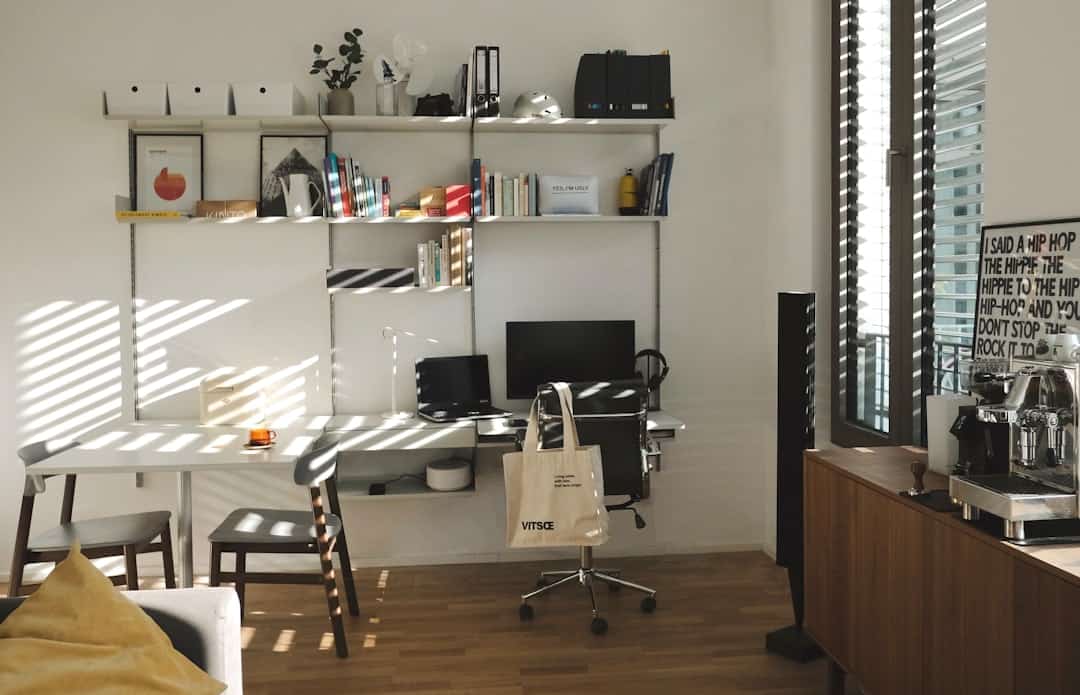
In today’s fast-paced work environment, maintaining a clean and tidy office isn’t just a nice-to-have; it’s essential for nurturing productivity, creativity, and a sense of well-being. As we delve into the intriguing intersection of interior design and cleanliness, we’ll explore how thoughtful design choices can set the stage for an organized workspace.
Picture this: vibrant color schemes that inspire, smart furniture selections that streamline storage, and an overall layout that encourages efficiency. Our office isn’t merely a functional space; it’s a reflection of our values and work culture. By harnessing the principles of interior design, we can create an environment that not only looks appealing but also promotes clarity and reduces clutter.
Throughout this article, we will share insightful strategies to use interior design as a powerful tool for keeping our office clean. Whether it’s through clever organizational solutions, maintenance-friendly materials, or even the gentle touch of greenery, we’ll uncover a roadmap to an immaculate workspace. Let’s embark on this journey toward an office that is not only tidy but also a source of inspiration and positivity!
The Importance of a Clean Office
A clean office environment is not just a matter of aesthetics; it plays a critical role in the overall success of our workplace. Whether we realize it or not, the condition of our surroundings can significantly influence our daily operations and long-term goals. Let’s dive into why maintaining a tidy office is essential for both our productivity and our well-being.
Impact on Productivity
When we think about productivity, we often consider tools, technology, and time management. However, the physical space we work in deserves just as much attention. A clutter-free office helps us concentrate better, reduces distractions, and fosters creativity.
- Enhanced Focus: A clean space allows us to focus on what really matters instead of getting sidetracked by mess.
- Improved Efficiency: When everything has its place, we spend less time looking for items, which streamlines our workflow.
- Boosted Morale: An organized and tidy environment can elevate our mood and motivation levels, creating a more positive atmosphere for teamwork.
It’s evident that creating a clean workspace can lead to remarkable gains in how efficiently we operate on a daily basis.
Health Benefits
The health of our teams is paramount, and one crucial aspect of that health stems from our working environment. A clean office has a direct impact on our physical and mental well-being.
- Reduced Illness: Regular cleaning can help eliminate germs and allergens, which minimizes sick days among our team members.
- Enhanced Mental Clarity: A cluttered space can contribute to stress and anxiety. By keeping our space clean, we can enjoy a sense of calm and clarity.
- Better Air Quality: Regularly dusting and cleaning can improve air quality, which is vital for maintaining our overall health and productivity levels.
By prioritizing cleanliness, we are essentially investing in the health and happiness of our workforce.
Professional Image
The image we project to clients, partners, and employees alike is essential in today’s competitive marketplace. A clean office reflects our professionalism and attention to detail.
- Positive First Impressions: When visitors enter our office, a tidy environment sets a positive tone and communicates that we take pride in our work.
- Trust and Credibility: An organized space can enhance our credibility, demonstrating that we are capable and reliable.
- Employee Satisfaction: A clean environment can boost employee satisfaction and retention, as it shows we care about their comfort and well-being.
When we present a polished office, we not only enhance our professional image but also reinforce a sense of pride among our own employees.
Creating and maintaining a clean office is not just about aesthetics; it’s about cultivating a productive, healthy, and professional environment that benefits everyone involved. By prioritizing cleanliness, we set the stage for success within our workplace.
Key Elements of Office Interior Design
When we embark on the journey to design an office space, it’s not just about aesthetics; it’s about creating an environment that fosters productivity, collaboration, and well-being. Office interior design is an art that combines functionality with the right visual appeal. Across various elements, we can transform an ordinary workspace into an inspiring hub where creativity flourishes. Let’s delve into the key components that can elevate our office design.
Color Schemes
The colors we choose for our office can significantly influence the mood and productivity of our teams. Research indicates that different colors elicit various psychological responses, making color selection a critical task in office design. Here are some key points to consider:
- Warm Colors (Red, Orange, Yellow): These colors can energize and stimulate creativity. We often use them in collaborative spaces to encourage brainstorming.
- Cool Colors (Blue, Green, Purple): Known for their calming effect, these colors are perfect for areas where concentration and focus are necessary, such as private offices or meeting rooms.
- Neutrals (Gray, White, Beige): Neutral tones provide a versatile backdrop, allowing for flexibility in incorporating accent colors. They create a clean and professional atmosphere that can appeal to a wide range of preferences.
By thoughtfully selecting our color schemes, we create a distinct identity for the office while ensuring that employees feel comfortable and motivated.
Furniture Selection
Choosing the right furniture is essential for creating a functional office that supports our daily operations. Here are several considerations we must take into account:
- Ergonomics: We should prioritize ergonomic designs that promote health and comfort, reducing strain during long hours. Our chairs, desks, and workstations must support good posture and well-being.
- Collaborative vs. Private Spaces: Depending on our workflow, we need to balance collaborative furniture such as communal tables and comfortable seating with private areas featuring individual desks or cubicles for focused tasks.
- Flexibility: Moveable furniture is an excellent option for adapting to different working styles. Modular desks and adjustable seating can facilitate collaborative efforts while also being reconfigured for individual work.
By attentively curating our office furniture, we can create designated settings that cater to the diverse needs of our team, promoting both teamwork and individual performance.
Spatial Layout
The layout of our office is as vital as the colors and furniture we choose. A well-thought-out spatial arrangement can enhance communication, workflow, and overall employee satisfaction. Here’s what we should keep in mind:
- Open vs. Closed Layouts: Open layouts may encourage communication and collaboration, while closed layouts can provide quiet zones for focused work. We need to evaluate which works best for our company culture.
- Pathways and Flow: The flow of movement should be intuitive. We must ensure that common areas, like break rooms and meeting spaces, are easily accessible and encourage interaction among employees.
- Zoning: Creating distinct zones for various activities—such as teamwork, individual work, and relaxation—is essential. This zoning helps regulate noise levels and promotes a balance between socialization and focus.
In crafting the spatial design, we can sculpt an environment that reflects our organizational values while optimizing productivity and comfort.
By paying attention to these key elements—color schemes, furniture selection, and spatial layout—we can foster a workspace that truly resonates with our company’s culture and goals. Let’s embrace the power of thoughtful office interior design and create an inviting atmosphere that inspires everyone who walks through our doors.
Organizational Strategies Through Design
In today’s fast-paced world, an organized space is essential for maintaining productivity and enhancing our overall well-being. Embracing design strategies that prioritize functionality can transform our environments, whether at home or in the office. Let’s explore some effective organizational strategies through design that can make a significant difference in our daily lives.
Furniture with Built-in Storage
One of the smartest ways to keep our spaces tidy and free from clutter is by incorporating furniture with built-in storage. This approach not only maximizes space but also minimizes the need for additional storage units that can overwhelm our rooms.
Key Benefits:
- Space-Saving: Multi-functional furniture such as ottomans, coffee tables, or beds that offer hidden compartments can effectively utilize underused areas.
- Aesthetic Appeal: Integrated storage solutions can enhance the visual harmony of a space, making it feel cohesive and streamlined.
- Easy Accessibility: Having everything we need at our fingertips saves time and reduces frustration during our daily tasks.
By selecting the right furniture, we can create an environment that feels open, inviting, and orderly.
Zoning for Different Activities
Designing our spaces with zoning in mind is another powerful strategy. By differentiating areas based on their specific functions, we can create a more focused and efficient atmosphere, lowering distractions that often lead to disorganization.
How to Implement Zoning:
- Designated Work Areas: Establish a specific spot for work, equipped with all necessary supplies, so we can concentrate without searching for tools or resources.
- Relaxation Zones: Create separate spaces for relaxation or leisure, enabling a clear mental switch between work and downtime.
- Activity-Based Spaces: Tailor areas for particular activities, such as studying, crafting, or exercising, to keep resources organized and easily accessible.
Zoning not only enhances our productivity but also contributes to a more pleasant and organized environment.
Decluttering Techniques
Lastly, employing decluttering techniques plays a vital role in our organizational strategies. At times, we accumulate items that serve little purpose, which can lead to an overwhelming and chaotic space. By taking a proactive approach to decluttering, we can maintain a more serene environment.
Effective Decluttering Approaches:
- The 30-Day Rule: If we haven’t used an item in the past month, it’s likely we won’t need it. This rule encourages us to evaluate our possessions critically.
- One In, One Out: For every new item we bring into our space, we should consider letting go of one existing item. This practice can prevent clutter from accumulating.
- Mindful Sorting: Regularly sort through items by categories, such as clothes, books, or paperwork, making it easier to determine what to keep and what to donate.
Incorporating these techniques ensures our surroundings remain uncluttered and manageable, allowing us to thrive in both our personal and professional lives.
As we adopt these organizational strategies through design, we set the stage for a more productive, harmonious, and aesthetically pleasing environment. By focusing on functional furniture options, establishing activity zones, and implementing effective decluttering techniques, we can foster spaces that inspire creativity and clarity. Let’s embrace these practices and watch our organizational skills flourish!
Materials and Textures for Easy Maintenance
When it comes to maintaining our spaces, the materials and textures we choose play a pivotal role in making our lives easier. We all want our homes and workplaces to look good without the burden of constant upkeep. By selecting the right flooring, surfaces, and textiles, we can enjoy aesthetically pleasing environments that don’t demand excessive effort to keep clean. Let’s explore some fantastic options that tick both the style and practicality boxes!
Durable Flooring Options
Flooring is often the foundation of any room—not just visually, but also in terms of maintenance. We can choose from a variety of flooring options that can withstand the test of time and the daily wear and tear of our busy lives. Here are our top picks:
- Luxury Vinyl Plank: This is a stylish and resilient option that mimics the look of natural wood or stone. It’s water-resistant, making it ideal for kitchens and bathrooms.
- Ceramic Tile: Renowned for its durability and resistance to stains and scratches, ceramic tile can also be easy on the eyes. With a myriad of colors and designs available, we can customize our spaces effortlessly.
- Laminate Flooring: Often more budget-friendly, laminates are designed to resist fading and scratches, making them an excellent choice for high-traffic areas.
With these durable options at our disposal, we can create welcoming spaces that require minimal upkeep while still looking fabulous.
Easy-to-Clean Surfaces
In a world filled with endless cleaning products and methods, the right choice of surface material can simplify our lives significantly. We focus on surfaces that not only look sleek but also resist stains and are easy to wipe clean. Here are some surfaces that fit the bill:
- Quartz Countertops: Known for their low maintenance needs, quartz does not require sealing and is resistant to staining. A quick wipe-down with soapy water is usually all it takes to keep them looking pristine.
- Glass Surfaces: These surfaces offer a modern touch and are non-porous, meaning they are easy to clean and maintain. We can easily clean glass surfaces with a glass cleaner, ensuring clarity and shine.
- Stainless Steel: Frequently found in kitchens, stainless steel not only looks chic but is also resistant to heat and stains. With regular cleaning, it can maintain its luster beautifully.
By incorporating these easy-to-clean surfaces, we can focus on enjoying our spaces rather than constantly worrying about lingering stains or grime.
Maintenance-Friendly Textiles
Textiles can dramatically affect the coziness of our environments, but they can also become a maintenance nightmare if we’re not careful. We recommend choosing materials that are resistant to stains and easy to clean. Here are some excellent options to consider:
- Microfiber Fabric: This is not only soft but also incredibly durable. Microfiber repels spills and can usually be cleaned with just water. It’s ideal for upholstery and cushions!
- Outdoor Fabrics: Made to withstand the elements, these textiles are often stain-resistant and easy to wipe clean. They can be used indoors, too, especially in high-traffic areas.
- Performance Linen: This modern take on traditional linen is manufactured to resist stains and can be machine washed. It’s perfect for drapes and throws, giving us both style and ease of care.
Incorporating these maintenance-friendly textiles allows us to enhance the comfort and aesthetics of our spaces without the ongoing hassle of worrying about upkeep.
By thoughtfully selecting materials and textures that are easy to care for, we make our homes and workspaces not only beautiful but also functional. Durable flooring options, easy-to-clean surfaces, and maintenance-friendly textiles help us live our lives more fully—spending less time on chores and more time enjoying life.
Incorporating Greenery in Office Design
Creating a workspace that fosters productivity and well-being is essential, and one of the most effective ways to achieve this is by incorporating greenery into our office design. As we explore this topic, let’s discuss the numerous benefits of plants in the workplace, how to choose low-maintenance options, and strategies for designing plant-friendly spaces that enhance our work environment.
Benefits of Plants in the Workplace
Integrating plants into our office spaces brings a multitude of advantages that can significantly enhance our overall experience at work.
- Improved Air Quality: Research shows that plants can purify the air, filtering out harmful toxins and releasing oxygen, which leads to a healthier work environment.
- Boosted Employee Morale: Natural elements in our surroundings can increase our mood and happiness. A touch of greenery can serve as a stress reliever, thus enhancing employee satisfaction and reducing absenteeism.
- Enhanced Creativity and Productivity: Several studies highlight that exposure to natural elements, such as plants, can stimulate creative thinking. When we feel more connected to nature, we often perform better.
These benefits are just the tip of the iceberg when it comes to understanding why we should prioritize greenery in our office design.
Choosing Low-Maintenance Plants
For many of us, the thought of caring for a variety of plants can feel daunting, especially amid busy work schedules. Luckily, there are several low-maintenance plants that not only add beauty to our office but are also easy to care for:
- Snake Plant (Sansevieria): Known for its resilience, the snake plant thrives in various conditions and requires minimal watering.
- ZZ Plant (Zamioculcas zamiifolia): This hardy plant can survive in low light and goes weeks without water, making it a perfect choice for office spaces.
- Pothos (Epipremnum aureum): With its trailing vines, pothos is not just aesthetically pleasing but also tolerant of neglect, adapting well to different light levels.
Choosing these plants allows us to enjoy all the benefits of greenery without the added stress of demanding upkeep.
Designing Plant-Friendly Spaces
Creating an office environment that encourages plant life involves thoughtful design and placement. Here are some strategies to get started:
- Window Placement: Utilize natural light by placing plants near windows. This creates a sunlit space where our green companions can thrive.
- Vertical Gardens: For offices with limited floor space, vertical gardens can be a fantastic solution. Wall-mounted planters not only save space but also become eye-catching focal points in our office design.
- Designated Green Zones: Consider creating specific areas dedicated to greenery, such as a break room with abundant plants. This can provide a refreshing escape for employees during breaks, promoting relaxation and natural rejuvenation.
By incorporating these design elements, we can cultivate an inviting workspace that inspires creativity and enhances our overall well-being.
Bringing greenery into our office design is more than just an aesthetic choice; it’s a strategic decision that can transform our work environment. As we embrace these changes, we’re not only creating a beautiful space; we’re fostering a healthier, happier, and more productive workplace for everyone involved.
The Role of Lighting in Office Cleanliness
In our pursuit to maintain a clean and inviting office environment, we often overlook one of the most critical elements: lighting. The right lighting not only illuminates our workspace but also significantly influences our perception of cleanliness. Let’s explore how different types of lighting can affect our office atmosphere and overall cleanliness.
Natural Light vs. Artificial Light
When we think about office lighting, the conversation usually centers around natural versus artificial sources.
- Natural Light:
- Promotes a sense of well-being.
- Makes spaces feel larger and more inviting.
- Reduces the appearance of dust and clutter, creating a visually cleaner environment.
- Artificial Light:
- Offers flexibility in design and functionality.
- Can be designed to mimic natural light, which helps in brightening up darker spaces.
- Certain warm or cool tones can enhance or minimize the perception of cleanliness.
It’s clear that while artificial lighting is essential for consistency, incorporating natural light into our office design can dramatically elevate our overall cleanliness impression. Large windows, skylights, or even well-placed mirrors can help reflect natural light further into the workspace.
Why Lighting Affects Cleanliness Perception
Have you ever walked into an office that felt cluttered despite it being tidy? Often, this is due to inadequate lighting. Here are a few key reasons why lighting plays a vital role in how we perceive cleanliness:
- Brightness Levels: Properly lit spaces illuminate surfaces, making them appear more pristine. In poorly lit areas, dust and dirt can easily go unnoticed, leading to an overall perception of neglect.
- Color Temperature: The temperature of light can subtly alter our interpretation of space. Cooler light can enhance the look of cleanliness, while warmer tones might hide imperfections but can also create a comfortable environment.
- Shadow Play: Strong light sources can cast shadows, which may highlight dirt in corners or on surfaces that otherwise look clean under softer lighting.
Understanding these factors allows us to strategically utilize lighting to enhance perceptions of cleanliness in our offices. Good lighting can reduce the appearance of dirt and clutter, making it imperative for us to assess our current setup.
Choosing the Right Lighting Fixtures
Selecting the right lighting fixtures is a crucial step in curating an office space that feels clean and welcoming. Here’s what we should consider:
- LED vs. Fluorescent: LEDs are energy-efficient and produce little heat, making them excellent for long-term use. Their brightness also contributes to clarity in the workspace.
- Fixture Style: From pendant lights to recessed lighting, the style should match the overall office design while ensuring adequate illumination. Choosing fixtures that direct light evenly helps reduce harsh shadows and promotes a clean appearance.
- Dimming Options: Adjustable lighting systems allow us to control brightness throughout the day. At times, a softer glow may create a relaxed environment that feels clean and calming.
By consciously choosing the right lighting elements, we can enhance not only the aesthetic of our office but also foster a sense of cleanliness that resonates with everyone who walks through our doors.
As we continue to explore ways to keep our workspaces inviting and tidy, let’s not underestimate the power of light in creating the perfect atmosphere!
Technology and Smart Solutions for a Tidy Workspace
In today’s fast-paced world, maintaining a tidy workspace has become more crucial than ever. We all know that clutter can lead to distractions, reducing our overall productivity. Thankfully, innovative technology can streamline office management, reducing clutter and improving efficiency. From cable management solutions to smart storage options and digital apps for organization, we have a range of tools at our disposal to create a more organized environment. Let’s explore these solutions together!
Cable Management Solutions
One of the biggest culprits of a messy workspace is tangled cables and cords. A chaotic jumble of wires can create visual clutter and hinder our work. That’s why effective cable management solutions are essential. Here are a few strategies we can implement:
- Cable Clips and Ties: These handy tools can keep cables neatly bundled and out of sight. Whether we choose adhesive clips or flexible ties, they provide an easy and cost-effective solution.
- Cable Management Boxes: Perfect for hiding power strips and excess cables, these boxes not only minimize mess but also add a sleek touch to our workspace.
- Under-Desk Cable Trays: By mounting cable trays beneath our desks, we can keep wires organized and prevent them from becoming a tripping hazard.
By incorporating these solutions, we can create a visually appealing and functional workspace that enhances our productivity.
Smart Storage Options
Storage solutions that embrace technology can also play a significant role in keeping our work areas neat and organized. Here’s how we can leverage smart storage:
- Multi-Functional Furniture: Desks with built-in storage compartments or shelves can help us keep essential items within reach while minimizing clutter.
- Modular Units: These adaptable storage systems allow us to customize our organization strategy as our needs change, ensuring a tidy environment at all times.
- Smart Filing Systems: Digital document management systems can help us eliminate paper clutter. By scanning important documents and organizing them in the cloud, we can access what we need without sacrificing physical space.
Implementing these smart storage options can significantly improve our workspace organization while making our environments more enjoyable to work in.
Apps and Tools for Organization
In addition to physical solutions, there are plenty of digital tools and applications designed to help us stay organized. Here’s what to consider:
- Task Management Apps: Platforms like Trello and Asana allow us to prioritize tasks, set deadlines, and collaborate with team members, minimizing the chaos of missed deadlines and forgotten responsibilities.
- Calendar Tools: Utilizing tools such as Google Calendar can help us schedule our day, allocate time for specific tasks, and keep everything on track.
- Note-Taking Applications: Apps like Evernote enable us to capture ideas and to-do lists, allowing for easy retrieval and organization whenever we need them, thus preventing our desks from becoming cluttered with sticky notes.
By embracing these technological advancements, we can create a seamless, organized workspace that enhances productivity and fosters creativity.
Maintaining a tidy workspace is more than just aesthetics; it’s about enhancing our productivity and ensuring we can perform at our best. With the right cable management solutions, smart storage options, and organizational tools, we can create an efficient and serene working environment. Let’s embrace technology and take our workspace to the next level!
Regular Maintenance and Upkeep Strategies
Ensuring a clean and well-maintained workspace is essential for promoting productivity, health, and morale among our team. By implementing effective maintenance and upkeep strategies, we not only create a pleasant working environment but also extend the lifespan of our office assets. Let’s explore some key practices that can help us achieve these goals.
Cleaning Schedules
Establishing a consistent cleaning schedule is crucial for maintaining our office’s hygiene and appearance. It allows us to prioritize regular cleaning tasks and ensures that our space remains welcoming. A practical approach involves:
- Daily Tasks: These should include wiping surfaces, emptying trash cans, and sanitizing high-touch areas like door handles and light switches. We can dedicate a specific time each day, perhaps before staff arrive, to tackle these tasks.
- Weekly Duties: Once a week, we can organize a comprehensive clean-up, targeting areas that tend to accumulate dust and grime over time, such as break rooms, bathrooms, and corners of our office.
- Monthly Maintenance: On a monthly basis, it’s beneficial to conduct a deep clean. This can involve window washing, carpet cleaning, and the organization of communal spaces. Collaborating with cleaning services for these tasks can ensure they are done efficiently and thoroughly.
By adhering to our cleaning schedules, we can ensure our workplace remains a safe and pleasant environment for everyone.
Designating Cleaning Supplies Storage
Another important aspect of maintaining our office’s cleanliness is designating a specific area for storing cleaning supplies. This not only helps us keep our space organized but also ensures that we always have the necessary tools at hand. Here’s how we can create an effective storage solution:
- Central Location: Choose a convenient place accessible to all team members, ideally near high-traffic areas that often require upkeep, like kitchens and bathrooms.
- Labeling System: Implement a robust labeling system to make it easy for everyone to find and return items. By using clear labels, we can create an effortless way to ensure that supplies are restocked and properly stored after use.
- Regular Inventory Checks: We should perform routine checks to monitor supplies and ensure that we are fully stocked on essentials like disinfectants, paper towels, and trash bags. Having a checklist for maintenance can streamline this process.
By designating an organized storage area for our cleaning supplies, we foster an environment where cleanliness is prioritized and easily achievable.
Using Checklists for Office Cleanliness
Checklists are a valuable tool we can utilize to maintain our cleaning standards effectively. By creating and implementing checklists, we ensure that no task gets overlooked, and every team member knows their responsibilities. Here’s how we can implement this approach:
- Daily Cleaning Checklist: A daily checklist can outline basic tasks that need to be completed each day, such as dusting desks, vacuuming floors, and cleaning kitchen surfaces. This helps us stay on track and encourages accountability.
- Weekly and Monthly Checklists: We can develop longer checklists for weekly and monthly duties. These might involve deep cleaning processes and more extensive organizational tasks to keep our environment healthy and well-ordered.
- Visual Reminders: Displaying our checklists in common areas can serve as a friendly reminder for our team members, making it easier to adhere to commitments towards cleanliness.
Incorporating checklists into our maintenance strategy can greatly enhance our office’s overall cleanliness, resulting in a more productive and enjoyable workspace for everyone.
By focusing on these regular maintenance and upkeep strategies, we create a workplace that reflects our commitment to health and professionalism. Together, we can cultivate an environment that boosts morale, enhances productivity, and maintains a positive atmosphere for all of us.
Conclusion
We’ve explored how strategic interior design can significantly influence the cleanliness and overall ambiance of our office spaces. By understanding the key elements like color schemes, furniture selection, and materials that are easy to maintain, we can cultivate environments that not only look great but also enhance our productivity and health.
In our journey towards an immaculate office, incorporating organizational strategies and smart technology can further streamline our efforts. Remember, the little details—from the right lighting to the presence of greenery—can make a considerable difference in how tidy our workspace feels.
To keep our efforts sustainable, we should not overlook the importance of regular maintenance. For businesses seeking the highest standard of cleanliness, partnering with experts like Perfection Professionals can transform our cleaning routine. Their comprehensive range of commercial cleaning solutions is designed to elevate our workplace to a pristine state, enabling us to thrive in an environment that truly reflects excellence. For more information on their services, check out what they offer at Perfection Professionals.
Frequently Asked Questions
- What are some interior design tips for maintaining a clean office environment?
Some interior design tips include choosing minimalist furniture, using storage solutions like cabinets and shelving, incorporating organizational tools like trays and baskets, and selecting easy-to-clean surfaces for your office.
- How can office layout influence cleanliness and tidiness?
A well-planned office layout can enhance traffic flow, reduce clutter, and create functional work areas. Designate specific zones for different activities, provide adequate storage, and ensure easy access to cleaning supplies to maintain a tidy workspace.
- What role does color play in creating a clean office atmosphere?
Color can influence mood and perception of cleanliness. Lighter colors create an airy and open feeling, while dark colors can make spaces feel smaller and more cluttered. Using neutral tones with pops of color can make a clean, inviting environment.
- Is it important to have plants in the office for cleanliness?
Yes, incorporating plants not only adds aesthetic value but also contributes to air quality and overall well-being. They can help create a calming environment, which may encourage employees to maintain a tidier space.
- How can technology assist in keeping an office tidy?
Technology can assist in office tidiness by providing digital tools for task management and organization, such as project management software, cloud storage for documents, and smart cleaning devices that automate tasks like vacuuming and mopping.