
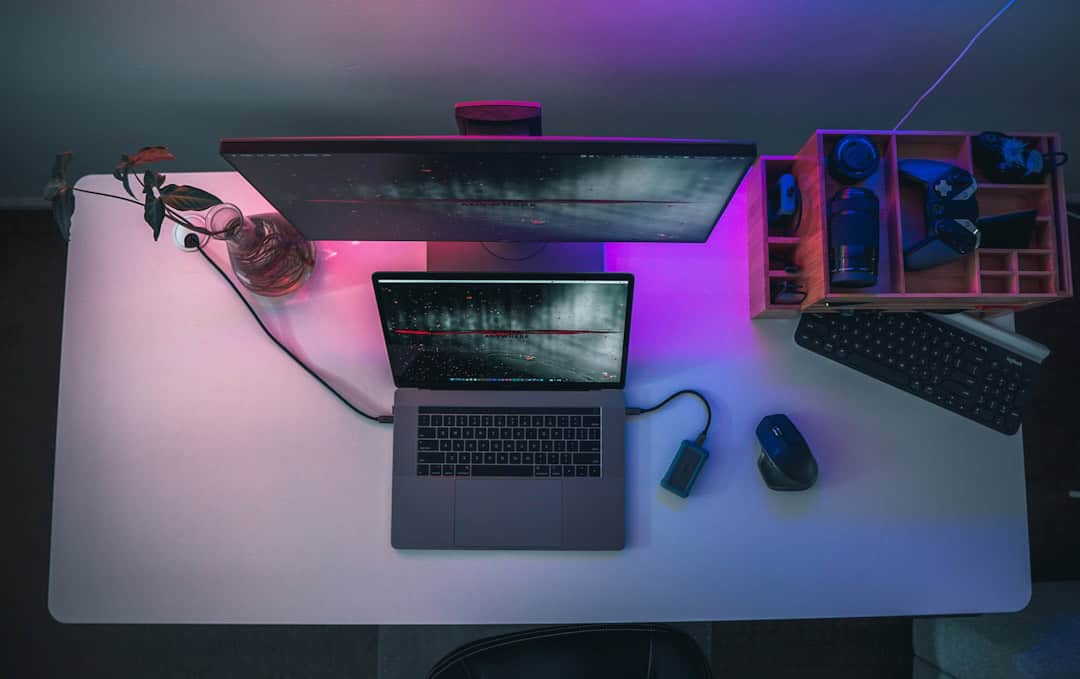
Creating a clean and safe office environment is not just a matter of aesthetics; it’s a fundamental necessity for the well-being of all who enter the space. We understand that a tidy workplace promotes not only health but also productivity and a positive image for visitors. As we strive to foster an atmosphere that encourages teamwork and creativity, implementing effective cleaning and safety measures becomes our shared responsibility.
A clean office space contributes to reducing the spread of germs and illnesses, thereby enhancing the overall health of our employees. Furthermore, a well-organized environment allows us to work more efficiently, ultimately leading to greater productivity. In this guide, we’ll delve into various aspects of maintaining an impeccable office, offering practical tips and strategies that can make a significant difference for our teams and the visitors we welcome.
Let’s embark on this journey to ensure our workspace protects and uplifts everyone, laying the foundation for a thriving workplace culture.
Importance of a Clean and Safe Office
A clean and safe office environment is not just a matter of aesthetics—it’s essential to our overall health, productivity, and the impressions we create on visitors. Maintaining a well-organized and sanitary workspace can significantly affect our work experience, team morale, and even the success of our business. Let’s unpack why prioritizing cleanliness and safety in our office is crucial.
Health Benefits
We all know that a clean office translates into a healthier workspace. By keeping our surroundings tidy and hygienic, we can reduce the spread of germs and allergens. Here are some key health benefits we can enjoy:
- Reduced Illness Spread: Regular cleaning of high-touch surfaces like keyboards, door handles, and communal areas minimizes the chances of illness spreading among colleagues.
- Improved Air Quality: Dust and pollutants can accumulate in our office environment, leading to respiratory issues. By ensuring proper ventilation and regular cleaning, we can enjoy fresher air.
- Enhanced Mental Health: Cluttered spaces can lead to stress and anxiety. A clean and organized office allows us to focus better and feel more at ease.
By prioritizing cleanliness, we create an environment that promotes our well-being and fosters a healthier workforce.
Productivity Impacts
We thrive in an environment that inspires us to do our best work. A clean office plays a pivotal role in enhancing our productivity levels. Consider the following points:
- Fewer Distractions: An organized workspace reduces clutter, allowing us to concentrate on tasks without the distraction of unnecessary items.
- Efficiency Boost: When everything is in its designated place, we can quickly find what we need, saving valuable time throughout our workday.
- Strong Team Morale: A pristine environment sends a message that we value our work and our colleagues. This positivity can elevate our team spirit and efficiency.
By investing in a clean and safe office, we invest in our productivity and ultimately, the success of our endeavors.
Positive Impressions on Visitors
When clients, partners, or interviewees walk into our office, the first impression is undeniably influenced by our environment. A clean and well-maintained office can enhance our reputation significantly.
- Professional Image: A tidy office reflects professionalism and attention to detail, characteristics that potential clients and partners appreciate.
- Welcoming Atmosphere: Visitors are more likely to feel comfortable and engaged in a clean and orderly environment, which encourages positive interactions.
- Trust and Credibility: An office that prioritizes cleanliness demonstrates our commitment to quality and care, which can help build trust with clients.
Creating this type of environment not only enhances our professional reputation but also fosters meaningful relationships with those who come through our doors.
In essence, maintaining a clean and safe office is integral to our health, productivity, and the impression we leave on others. A commitment to cleanliness signifies a commitment to excellence, and it’s something we all benefit from and should actively work to uphold.
Regular Cleaning Practices
Cleaning is more than just a chore; it’s a vital practice that contributes to our well-being and the overall ambiance of our environments. By adopting effective regular cleaning practices, we can maintain a space that is not only aesthetically pleasing but also hygienic. Let’s explore this essential aspect of our lives through daily cleaning routines, deep cleaning schedules, and sanitization protocols.
Daily Cleaning Routines
Daily cleaning routines are integral to keeping our spaces organized and tidy. We often underestimate the power of simple, consistent tasks, yet they form the backbone of a well-maintained environment.
- Make the Bed: A simple act that instantly lifts the room’s appearance.
- Wipe Surfaces: A quick daily wipe of countertops and tables removes dust and prevents buildup.
- Sweep or Vacuum: Keeping floors clear of crumbs and debris sets a clean tone for the day.
- Organize Clutter: Spending just a few minutes to put things back in their designated places can make a huge difference.
These small daily tasks accumulate into significant improvement over time. By sticking to these routines, we ensure that our spaces remain inviting and comfortable.
Deep Cleaning Schedules
While daily cleaning keeps things manageable, deep cleaning is critical for maintaining the integrity of our homes and workplaces. We must remember to plan these activities as they don’t always fit into our daily schedules.
- Monthly Focus Areas: Each month, we can dedicate a weekend to focus on specific areas, such as:
- Kitchen Appliances: Clean the oven, refrigerator, and microwave to ensure they run efficiently.
- Bathrooms: Scrub tiles, deep clean toilets, and tackle grungy grout.
- Seasonal Overhauls: Changing seasons are great reminders to do a more thorough clean:
- Spring Cleaning: A great opportunity to declutter while cleaning those often-neglected corners and windows.
- Fall Prep: Ensure that we prepare our spaces for colder weather, focusing on ventilation and any necessary repairs.
By adhering to these deep cleaning schedules, we create a more sustainable living and working environment, which ultimately elevates our comfort and peace of mind.
Sanitization Protocols
In a world where health is paramount, understanding and implementing proper sanitization protocols is more important than ever. We all want our spaces to be safe and hygienic.
- High-Touch Surfaces: We should focus on regularly sanitizing areas like doorknobs, light switches, and remote controls, using effective products that kill germs.
- Restroom Care: Ensuring that we frequently disinfect bathroom surfaces, including faucets and toilet seats, helps keep our environments safe.
- COVID-19 Considerations: Continuing to practice thoughts around sanitization, like avoiding spreading germs through shared items, can be beneficial.
By prioritizing these sanitization protocols, we can better protect ourselves and those around us, fostering an atmosphere of health and well-being.
In embracing these regular cleaning practices, we are not only enhancing the quality of our surroundings but also enriching our lives. Let’s commit to daily routines, deeper cleans, and effective sanitization to cultivate cleaner, healthier spaces. Remember, a little effort every day goes a long way in maintaining harmony in our environments!
Organizing Office Space
Organizing our office space can significantly boost our productivity and create a more uplifting work atmosphere. The key to achieving an efficient workspace lies in thoughtful organization. Throughout this journey, we will explore actionable strategies to declutter our environments, designate cleaning areas, and implement effective storage solutions. Let’s dive in!
Decluttering Workspaces
Decluttering is the first step towards achieving a serene work environment. It allows us to focus on what truly matters rather than getting lost in piles of paperwork and miscellaneous items. To effectively declutter our workspaces, we can follow these simple yet impactful practices:
- Clear the Desk: Start by removing everything from our desks. This gives us a blank slate to work from.
- Sort and Categorize: As we sift through items, we can categorize them into what we need, what we can discard, and what can be stored elsewhere.
- Focus on Daily Essentials: Keep only those items that we use daily on our desktop. Everything else can be filed away.
- Paperwork Management: We should adopt a routine to manage paperwork—digitizing documents when possible and maintaining a system for physical files.
In taking the time to declutter, we not only create physical space but also free our minds to think clearly and creatively.
Designating Cleaning Areas
Having dedicated cleaning areas in our office can streamline our workspace maintenance. These designated spots ensure we have a consistent routine in keeping our office organized and fresh. Here are some ideas:
- Daily Pickup Zones: Designate specific areas where we can place items that need to be put away at the end of the day. This encourages a quick tidying routine.
- Cleaning Stations: Place cleaning supplies in easily accessible places around the office. This could include disinfectant wipes, hand sanitizers, and trash bags.
- Weekly Deep Cleaning Schedule: We might consider setting aside time each week to tackle deeper cleaning tasks, such as wiping down surfaces, organizing cabinets, and clearing out digital clutter.
By establishing these cleaning areas, we create a culture of organization and cleanliness that enhances our professional environment.
Implementing Storage Solutions
Efficient storage solutions are essential for maintaining an organized office space. By implementing the right systems, we can keep our workspaces tidy and functional. Here are some solutions to consider:
| Storage Solution | Description |
|---|---|
| Shelving Units | Vertical storage options like shelves utilize wall space effectively, keeping frequently used items visible and accessible. |
| Drawer Organizers | Small compartments in drawers help us categorize supplies, making it easier to find what we need quickly. |
| Mobile Carts | Versatile storage on wheels can be moved wherever we need it, perfect for shared spaces or team collaboration. |
| Digital File Management | Implementing cloud storage solutions for files reduces paper clutter and makes accessing documents easier than ever. |
Each of these storage solutions can work harmoniously in our workspace to enhance organization and minimize chaos.
Creating a well-organized office space requires commitment and consistency, but the benefits are undeniable. When we take the time to declutter, designate cleaning areas, and implement smart storage solutions, we cultivate a more productive and enjoyable work environment. Let’s embark on this rewarding journey together!
Health Safety Standards
Understanding OSHA Guidelines
In our journey toward creating a safer workplace, one of the first steps we must take is to familiarize ourselves with the Occupational Safety and Health Administration (OSHA) guidelines. These regulations serve as a cornerstone for safeguarding our health and safety, outlining the essential practices we need to implement.
OSHA focuses on several key areas:
- Workplace Design: Ergonomics, layout, and ventilation standards ensure that our physical environments are conducive to safety and well-being.
- Personal Protective Equipment (PPE): Specific guidelines dictate when and how PPE should be used to minimize exposure to hazards.
- Training Requirements: OSHA mandates that employees receive proper training to recognize and mitigate workplace hazards effectively.
Understanding these guidelines allows us to create a proactive safety culture where every team member feels informed and empowered. By staying up to date with OSHA’s recommendations, we not only protect our workforce but also enhance our productivity and morale.
Implementing the Right Safety Measures
Once we grasp the OSHA guidelines, we need to move forward with implementing effective safety measures tailored to our specific workplace. This requires a multifaceted approach that considers the unique hazards present in our industry.
Here are some critical safety measures we can adopt:
- Conduct Risk Assessments: Regularly evaluate the potential hazards in our workplace to identify where we need to focus our safety efforts.
- Create Safety Protocols: Develop clear policies and procedures that outline how to handle various safety situations and emergencies.
- Invest in Training: Continuous safety education ensures our team stays informed about best practices and new safety technologies.
By fostering a culture of respect for safety protocols, we not only cultivate a healthier workplace but also reinforce the importance of safety to every team member. It’s all about working together to build a robust safety system that everyone can rely on.
Regular Safety Audits
Engaging in regular safety audits is an essential aspect of maintaining high health safety standards in our organization. These assessments allow us to critically evaluate our safety practices and identify any areas for improvement.
During a safety audit, we should focus on:
- Compliance Checks: Ensure that all safety measures align with OSHA guidelines and other applicable regulations.
- Employee Feedback: Collect insights from team members regarding the effectiveness of current safety protocols and any lingering concerns.
- Follow-Up Actions: Establish and track action items that emerge from our audits to ensure continuous improvement.
By making safety audits a routine part of our operations, we demonstrate our commitment to maintaining a safe and healthy work environment. It’s a collaborative effort, and when we prioritize safety, we play an active role in protecting our most important asset—our people.
Hygiene and Sanitation Tips
Maintaining excellent hygiene and sanitation is vital for our overall health and well-being. In today’s environment, being proactive about cleanliness can significantly reduce the spread of germs and illnesses. Here, we will share some essential tips that we can implement in our daily lives to foster a cleaner, healthier atmosphere.
Hand Hygiene Practices
One of the simplest yet most effective ways to prevent illness is through proper hand hygiene. We often underestimate the power of our hands, which touch numerous surfaces throughout the day. Let’s make handwashing a top priority. Here’s how we can do it:
- Wash Our Hands Regularly: We should always wash our hands before meals, after using the restroom, and after coming home from public areas. Using soap and water, we should scrub for at least 20 seconds.
- Use Hand Sanitizer: When soap and water aren’t available, a hand sanitizer with at least 60% alcohol can be our best alternative. It’s convenient to carry in our bags or keep at our desks.
- Educate Others: Sharing knowledge about effective handwashing techniques with friends and family can help us all stay healthier.
Quote: “Clean hands are not just a habit; they are a shield against illness.”
Disinfecting High-Touch Areas
Next, let’s talk about disinfecting high-touch areas in our homes and workplaces. Surfaces like doorknobs, light switches, and electronic devices can harbor germs that can quickly spread. Here are our best practices:
- Daily Disinfection: We should commit to disinfecting high-touch surfaces daily, especially when someone in our household is unwell.
- Use the Right Products: Selecting EPA-approved disinfectants that are effective against viruses and bacteria is crucial. Always follow the manufacturer’s instructions for maximum effectiveness.
- Set Reminders: To make it a habit, we can set reminders on our phones or create a cleaning schedule to ensure we cover all necessary areas regularly.
Venting and Air Quality Control
Lastly, ensuring good air quality in our spaces is often overlooked but equally important. Proper ventilation helps to reduce airborne contaminants. We can take several steps to improve the quality of the air we breathe:
- Open Windows: Whenever possible, we should crack open a window to allow fresh air to circulate. This helps to dilute indoor pollutants and allergens.
- Use Air Purifiers: Investing in a good air purifier can reduce indoor air contaminants, particularly useful in homes with limited ventilation.
- Maintain HVAC Systems: Regularly changing air filters and scheduling maintenance for our heating and cooling systems can significantly enhance the quality of air in our environments.
By following these tips and integrating them into our routines, we can collectively enhance our hygiene and sanitation practices. Let’s empower ourselves and each other to create healthier living and working spaces while contributing to the overall well-being of our communities.
Creating a Clean Office Culture
Creating a clean office culture is not just about tidy desks and spotless floors; it’s about cultivating an environment that promotes productivity, health, and satisfaction among employees. We all play a significant role in fostering a workplace that reflects our collective values regarding cleanliness and organization. By instilling pride in our shared space, we can enhance our overall work experience and encourage collaboration.
Employee Involvement
One of the cornerstones of establishing a clean office culture is promoting employee involvement. When everyone takes ownership of their space and the communal areas, we create a cleaner environment together.
- Encourage Ownership: Let’s empower team members to take charge of maintaining their desks and surrounding areas. When we give employees the autonomy to manage their own spaces, they feel more responsible for their cleanliness.
- Create Clean Zones: We can designate specific “clean zones” throughout the office – think break rooms, conference halls, and shared workstations. Each team can be responsible for different zones, fostering a collaborative effort to keep everything neat and tidy.
- Feedback Loop: Regular check-ins about cleanliness standards can help us understand what’s working and where we can improve. This also allows everyone to voice concerns and suggestions on how to maintain a pristine office.
Reward Programs for Cleanliness
What better way to encourage a culture of cleanliness than by implementing reward programs? Recognizing and celebrating our collective efforts can enhance motivation and commitment to maintaining a clean office.
- Monthly Cleanliness Champions: We can introduce a program that celebrates the “cleanliness champion” of the month. This recognition not only motivates individuals but also highlights the importance of cleanliness as a shared value.
- Incentives for Teams: Offering incentives, such as casual dress days or team lunches, for teams that maintain cleanliness can spur friendly competition. When we compete to keep our areas organized, we strengthen our bonds while promoting cleanliness.
- Gamification: We might even introduce gamification elements to cleanliness, where teams earn points for maintaining clean spaces and participating in cleaning initiatives. These points can be exchanged for fun rewards that resonate with our team’s spirit.
Regular Training Workshops
To maintain a clean office culture effectively, we should invest in regular training workshops. These seminars will equip us with the knowledge and skills necessary to keep our workplace in top shape.
- Best Practices Sessions: Together, let’s host workshops on best cleanliness practices, including organization tips, maintaining communal areas, and effective waste disposal. A little guidance can go a long way in establishing effective habits.
- Health and Hygiene Training: Given the importance of health in the workplace, training on hygiene and sanitation can ensure we are all well-informed about the practices that promote a clean office.
- Feedback-Oriented Workshops: As we engage in these training sessions, let’s encourage participants to share their insights and experiences regarding cleanliness. This collaborative approach will foster a sense of community and shared learning.
By embracing these strategies, we can collectively create a clean office culture that not only enhances our workspace but also improves our overall productivity and morale. Taking pride in our environment demonstrates our commitment to a quality work experience, showing that cleanliness is indeed a value we protect and cherish together.
Visitor Safety Protocols
Ensuring the safety and well-being of our visitors is a top priority for us. We understand that visiting a new place can be both exciting and a bit overwhelming. That’s why we have established comprehensive visitor safety protocols that guide you through your experience with us. From check-in procedures to emergency exits, we make every effort to ensure you feel secure and informed while on our premises.
Check-in Procedures
Our check-in procedures are designed to streamline your arrival and ensure that we know who is on site for safety reasons. Here’s what you can expect:
- Identification Verification: Upon arrival, we kindly ask you to present a valid ID. This helps us maintain a secure environment and ensures that authorized individuals are accessing our facilities.
- Visitor Badges: After verification, each visitor will receive a badge. This badge must be worn at all times during your visit, allowing our staff to identify and assist you as needed.
- Orientation Materials: We provide a brief orientation that includes safety information and an overview of our facilities. This information can be invaluable as you navigate around our office.
Guided Tours of the Office
To enhance your experience and ensure your safety, all visits are conducted through guided tours. Here’s why we believe this is essential:
- Knowledgeable Guides: Our team is well-trained to provide insights about our office layout, while also pointing out key safety features, such as fire exits and emergency supplies.
- Interactive Engagement: Guided tours allow for better interaction, enabling you to ask questions and learn more about our processes in a safe environment.
- Safety First: With a focused group and a dedicated guide, we ensure that everyone is kept informed about safety measures, with emphasis placed on understanding the emergency protocols.
Emergency Exits and Safety Signage
Safety signage and emergency exits are critical components of our visitor safety protocols. We have taken great care to ensure they are clearly marked. Here’s what you need to know:
- Clear Signage: Throughout our facilities, you will find clear and concise safety signage indicating emergency exits, first aid stations, and evacuation procedures. We encourage everyone to take a moment to familiarize themselves with these signs.
- Emergency Exit Routes: During your visit, our guides will highlight the nearest emergency exits. Knowing your routes in advance is crucial should an unexpected situation arise.
- Regular Drills: To ensure staff and visitors are prepared, we conduct routine emergency drills. This practice helps reinforce our protocol and ensures that everyone knows their role in an emergency.
By adhering to these visitor safety protocols, we can provide a welcoming and secure environment for all. We are committed to ensuring that your experience with us is not only informative but also encompasses the highest levels of safety. Your trust is important to us, and we are here to ensure your visit is seamless and enjoyable.
Technology and Tools for Office Cleaning
When it comes to creating a spotless and sanitised office environment, we often overlook the technological advancements available to us. The role of innovative tools and apps in the realm of office cleaning cannot be understated. Today, we’ll explore a few key strategies that can transform our cleaning process, making it more efficient, effective, and tailored to our unique needs.
Using Cleaning Apps
In our fast-paced world, managing the cleanliness of our office can feel overwhelming. Fortunately, cleaning apps have emerged as convenient companions to streamline our efforts.
- Task Automation: Many cleaning apps allow us to schedule recurring cleaning tasks. This means we can set up reminders or automated checklists for daily, weekly, or monthly chores, ensuring no task is overlooked.
- Progress Tracking: With an easy-to-use dashboard, we can monitor our cleaning progress. Some apps even allow us to assign tasks to various team members, which promotes accountability and teamwork.
- Feedback Loops: Many users find it beneficial to leave comments and suggestions for improvement using these platforms, fostering a culture of collaboration and continuous improvement.
These apps not only save us time, but they also keep everyone engaged in maintaining a clean workspace.
Investing in Quality Cleaning Tools
While technology plays a vital role, the physical tools we choose can significantly impact our office’s cleanliness. Investing in quality cleaning tools is essential for several reasons:
- Durability: Well-made tools tend to last longer, providing us with better value. A sturdy broom or mop can make a world of difference in everyday cleaning efforts.
- Effectiveness: High-quality tools often perform better. For example, a commercial-grade vacuum cleaner can pick up more dirt and allergens than a standard home unit, contributing to a healthier office environment.
- Ergonomics: Using tools designed with user comfort in mind can reduce strain and improve efficiency, allowing us to clean more thoroughly without tiring quickly.
By choosing quality over quantity, we equip ourselves with the right tools to tackle even the toughest cleaning challenges.
Innovative Sanitization Solutions
Beyond traditional cleaning practices, we have the opportunity to adopt innovative sanitization solutions that elevate our office hygiene standards.
- UV-C Light Technology: Recent advancements in ultraviolet (UV) light technology enable us to sanitize surfaces without using harsh chemicals. UV-C light effectively neutralizes germs and bacteria, adding an extra layer of protection to our office spaces.
- Electrostatic Sprayers: These devices disperse a fine mist of disinfectant that clings to surfaces, ensuring full coverage. This technology is particularly beneficial for high-touch areas, where germs tend to thrive.
- Smart Sensors: Some of us may want to incorporate smart sensors that detect cleanliness levels or air quality. These tools provide real-time data, allowing us to respond to potential issues before they escalate.
Leveraging these innovative solutions not only enhances our cleaning efforts but also assures our team that we prioritize their health and safety.
Ultimately, combining robust cleaning apps, quality tools, and innovative sanitization solutions enhances our office cleaning regimen. By adopting these strategies, we can create a cleaner, healthier, and more efficient workplace for ourselves and our colleagues, setting the stage for productivity and comfort.
Conclusion
In creating a cleaner and safer office environment, we not only promote health and productivity but also foster a welcoming atmosphere for visitors and employees alike. By implementing regular cleaning practices and adhering to hygiene and safety standards, we lay the groundwork for success and well-being within our workplaces.
For those looking to elevate their office cleaning routine, we invite you to explore the exceptional services offered by Perfection Professionals. With our expertise in commercial cleaning, your space can transform into a pristine haven where professionalism thrives. Let’s embrace cleanliness together for the benefit of everyone.
Frequently Asked Questions
- What are some effective ways to keep the office clean?
Effective ways to keep the office clean include establishing a regular cleaning schedule, decluttering workspaces, providing adequate waste disposal options, and encouraging employees to maintain a clean environment.
- How can I ensure the safety of employees and visitors in the office?
To ensure safety, conduct regular safety inspections, provide training on emergency procedures, keep walkways clear, ensure fire exits are accessible, and maintain proper ventilation to reduce health risks.
- What cleaning supplies are essential for an office?
Essential cleaning supplies for an office include disinfectants, cleaning wipes, trash bags, microfiber cloths, vacuum cleaners, and personal protective equipment (PPE) for cleaning staff.
- How often should an office be cleaned?
An office should be cleaned daily to maintain hygiene, with deep cleaning performed on a weekly or monthly basis, depending on the size of the office and the number of employees.
- What role do employees play in maintaining a clean office environment?
Employees play a crucial role by being responsible for their individual workspaces, reporting cleanliness issues, participating in cleaning initiatives, and following health and safety guidelines set by the organization.