
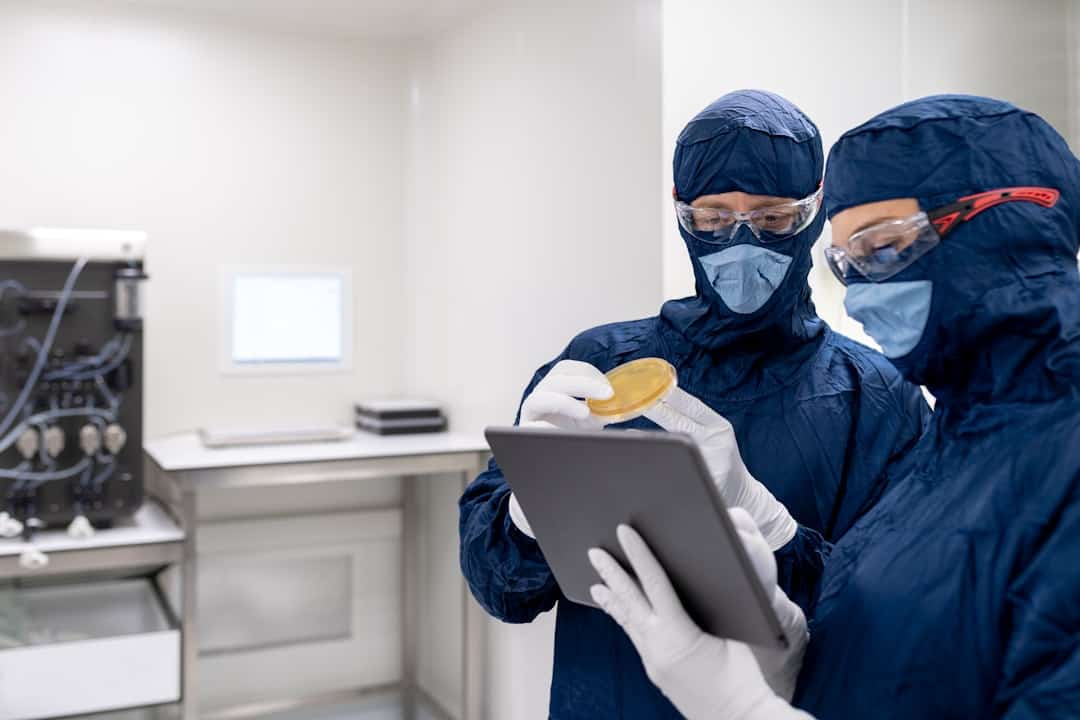
As we stand at the threshold of 2025, the commercial cleaning industry is evolving in exciting ways. We find ourselves amidst a transformative journey driven by innovation, sustainability, and an increasing focus on health and safety. The past few years have reshaped our understanding of cleanliness and hygiene, leaving us with valuable lessons that influence the trends we will witness in this sector.
In this article, we delve into the key trends poised to shape the future of commercial cleaning. From adopting eco-friendly practices to leveraging technological advancements, our exploration will highlight how these shifts will redefine the cleaning landscape. Together, we can anticipate changes that not only enhance the efficiency of cleaning services but also promote a healthier and more sustainable environment for all. Let’s dive into the exciting developments that are set to revolutionize our approach to cleanliness in 2025.
Sustainability in Cleaning Practices
As we delve into the realm of sustainability in cleaning practices, it’s increasingly evident that this movement is not just a trend but a necessity for our planet’s well-being. The commercial cleaning sector has a vital role in minimizing environmental impact, and we have the unique opportunity to influence these practices positively. Let’s explore some crucial aspects of sustainable cleaning that can transform our approach and create a healthier environment for all.
Eco-Friendly Cleaning Products
One of the primary steps we can take towards sustainability in cleaning practices is choosing eco-friendly cleaning products. These products are formulated without harmful chemicals and are designed to be biodegradable and non-toxic. By opting for green cleaners, we not only protect our health but also contribute to cleaner waterways and reduced air pollution.
Benefits of Eco-Friendly Products:
- Healthier Environments: Non-toxic ingredients reduce the risk of allergies and respiratory issues, creating a safer space for employees and clients alike.
- Reduced Environmental Impact: These products often come in recyclable packaging and are made from renewable resources, minimizing ecological damage.
- Enhanced Public Image: Using sustainable products can enhance a company’s branding, appealing to the growing demographic that values corporate responsibility.
We can easily integrate these eco-friendly alternatives into our daily practices, ensuring that they don’t compromise efficacy while keeping our commitment to sustainability.
Reduction of Waste and Plastics
Waste management is another critical area where we can significantly reduce our environmental footprint. A focus on minimizing waste and plastic use isn’t just beneficial for the earth; it often leads to cost savings over time.
Strategies for Waste Reduction:
- Bulk Purchasing: By buying in bulk, we can limit the amount of packaging waste generated and often reduce costs at the same time.
- Refillable Systems: Implementing refillable cleaning stations can cut down on single-use plastics, encouraging a return to responsible consumption.
- Digital Documentation: Transitioning to digital platforms for reporting and documentation can further diminish paper waste, aligning with our sustainability goals.
As we adopt these strategies, we create a more circular economy, where resources are reused and repurposed rather than discarded.
Green Certifications and Standards
Understanding the certifications and standards related to green cleaning helps us make informed choices about the products and services we use. Certifications such as Green Seal, EcoLogo, and UL Environment provide assurances that products meet rigorous environmental and sustainability criteria. We can be proactive in seeking out these certifications when sourcing cleaning supplies and services.
Why Certification Matters:
- Quality Assurance: Certified products have been thoroughly tested for safety and environmental impact, ensuring high performance without compromising our values.
- Consumer Trust: Displaying green certifications can build trust with our clients, showcasing our commitment to sustainability.
- Regulatory Compliance: Staying updated on industry standards helps us ensure compliance with current regulations, mitigating risks associated with non-compliance.
By prioritizing certified products and services, we embrace a cleaner, greener future.
Adopting sustainable practices in commercial cleaning is not merely a choice but a responsibility we share. Through eco-friendly products, waste reduction strategies, and adherence to green certifications, we can forge a path towards a more sustainable and healthy environment. Together, we can make a substantial difference and pave the way for future generations to thrive.
Technological Advancements Shaping the Industry
In our fast-paced world, embracing technological advancements is essential for the cleaning industry to thrive. By leveraging innovative tools and systems, we can streamline operations, improve service quality, and enhance client satisfaction. Let’s explore how three key areas—robotics and automation, IoT and smart building management, and data-driven cleaning solutions—are shaping the future of our industry.
Robotics and Automation in Cleaning
The emergence of robotics and automation has revolutionized the cleaning landscape. Robotic cleaners are now able to perform tasks that were once labor-intensive and time-consuming. These technologies offer several advantages that we cannot overlook:
- Increased Efficiency: Robots can clean large areas in less time, reducing the manpower required for routine cleaning tasks.
- Consistency: These machines deliver uniform cleaning results, ensuring that spaces maintain high standards of hygiene.
- Safety: By automating hazardous tasks like floor scrubbing in slippery environments, we minimize risk and protect our team members.
As we adopt robotic solutions, we position ourselves as leaders in the industry, showcasing our commitment to quality and innovation.
IoT and Smart Building Management
The Internet of Things (IoT) is transforming how we manage cleaning operations within smart buildings. By integrating IoT technology, we can create a more efficient and responsive cleaning ecosystem. Here’s how:
- Real-Time Monitoring: IoT sensors can track usage and environmental conditions, allowing us to adjust our cleaning schedules accordingly.
- Predictive Maintenance: By analyzing data from connected devices, we can foresee when equipment needs servicing, preventing breakdowns and ensuring seamless operations.
- Improved Resource Management: With real-time data, we can optimize our supply usage, ultimately reducing waste and cutting costs.
Investing in IoT solutions reflects our dedication to providing exceptional service that meets contemporary demands.
Data-Driven Cleaning Solutions
The power of data in today’s cleaning industry cannot be underestimated. By utilizing data-driven solutions, we can make informed decisions that enhance our operational effectiveness. This approach includes:
- Performance Metrics: Analyzing cleaning performance helps us identify areas for improvement, ensuring we meet client expectations consistently.
- Customer Feedback Analytics: By collecting and examining customer feedback, we can adjust our services to better align with client needs.
- Customized Solutions: Data allows us to tailor our services based on specific client requirements, creating a personalized experience that builds long-term relationships.
Embracing a data-driven mindset helps us not only meet but exceed client expectations, establishing us as a dependable partner in cleanliness.
As we navigate through these technological advancements, we must remain committed to integrating evolving solutions that elevate our services. Staying abreast of innovations ensures we not only adapt but thrive in this ever-changing landscape, positioning us for success now and into the future.
Health and Safety Protocols
As we navigate the evolving landscape of commercial spaces post-pandemic, health and safety protocols have fundamentally transformed our approach to cleaning and maintenance. The ongoing emphasis on hygiene, disinfection, and worker safety has reshaped how we think about our environments, and it’s critical for us to adapt to these new standards. Let’s delve into the key areas driving these changes.
Post-Pandemic Cleaning Standards
In the wake of the pandemic, we have witnessed a significant shift in cleaning standards across various industries. The expectations from clients and customers are higher than ever, prompting us to reassess our methodologies.
- Frequent Cleaning Intervals: We are implementing more regular cleaning schedules, especially in high-traffic areas. This includes not just the obvious spaces like restrooms and common areas, but also shared equipment and frequently touched surfaces.
- Use of Approved Cleaning Agents: It’s essential to utilize EPA-approved disinfectants that are effective against harmful pathogens. This not only ensures safety but also builds trust with our clients.
- Compliance with Guidelines: Our approach aligns with health authorities’ recommendations. We’ve integrated the latest guidelines from organizations like the CDC and WHO into our protocols.
Increased Focus on Disinfection
With health being a primary concern, our commitment to thorough disinfection practices has grown. Here’s how we’re making a difference:
- Targeted Disinfection: We prioritize disinfecting not just surfaces but also air spaces using modern technologies such as UV-C light and electrostatic sprayers. This provides a multi-layered defense against viral threats.
- Transparent Practices: Communicating our disinfection methods to clients builds confidence. As we define our cleaning processes, we create an open dialogue about our commitment to safety.
- Sustainability Integration: While focusing on disinfection, we also strive to source eco-friendly, non-toxic products. This aligns with growing consumer preferences for sustainability and safety.
Employee Training and Safety Measures
The backbone of our enhanced health and safety protocols is our dedicated team. We recognize that proper training is crucial for effectiveness:
- Comprehensive Training Programs: We conduct regular training sessions that cover the latest hygiene practices, emphasizing the importance of personal protective equipment (PPE) compliance and the safe use of cleaning agents.
- Health Monitoring Systems: To enhance workplace safety, we’ve instituted health monitoring protocols for our employees, including daily health checks to ensure their well-being and that of our clients.
- Encouraging a Safety Culture: We foster a culture where health and safety is a shared responsibility among all team members. This involves open communication about safety concerns and rewarding best practices.
Through our rigorous focus on these health and safety protocols, we’re not just responding to a new norm; we are embracing it as a vital aspect of our operations. The integration of these protocols into our daily practices reassures our clients and contributes to the overall well-being of our communities. As we continue to evolve, our commitment to safety will remain at the forefront, guiding our efforts to maintain clean and secure environments.
Changing Workforce Dynamics
In today’s rapidly evolving work environment, we find ourselves navigating through unprecedented changes that shape how businesses operate. The rise of remote work, coupled with shifting employee needs and expectations, directly impacts commercial cleaning services. As we dissect these elements, it’s crucial to understand the implications of these changing workforce dynamics on our day-to-day operations and expectations for cleanliness and safety.
Impact of Remote Work on Cleaning Needs
The trend of remote work has transformed how we approach cleanliness in the workplace. With hybrid models becoming the norm, we no longer have full teams present in the office every day. This shift raises some interesting questions about how our cleaning routines need to adapt.
- Flexible Cleaning Schedules: As fewer employees are on-site at any given time, we can tailor our cleaning services to match occupancy levels. It’s about keeping spaces clean without overdoing it on days when many employees are working from home.
- Focus on High-Touch Areas: While overall occupancy may decline, the importance of disinfecting high-touch surfaces—like door handles, light switches, and shared equipment—remains vital. The emphasis on health and safety continues to influence our cleaning strategies.
- Health Regulations Compliance: With the prevalence of health concerns, we have to stay updated on the latest regulations and best practices. Ensuring we meet these standards is not just a service we offer; it’s a commitment to the well-being of our clients and their employees.
Our experience shows that adapting to these changes isn’t just about cleaning less frequently; it’s about being smarter and more effective in how we maintain a safe environment.
Hiring Trends and Labor Shortages
As we witness significant labor shortages across various sectors, the commercial cleaning industry isn’t immune. The competition for skilled workers has intensified, urging us to find innovative ways to attract and retain talent.
- Increased Wages and Benefits: To entice potential employees, we must reassess our compensation packages. Offering competitive wages and benefits, such as health insurance and retirement plans, can make a substantial difference.
- Emphasis on Training: Skilled labor is more than just filling a position; it’s about ensuring our team is well-trained in the latest cleaning protocols and technologies. Investing in employee development not only enhances our service quality but also boosts morale and job satisfaction.
- Diversity and Inclusion: In our hiring practices, focusing on diversity and inclusion can bring a fresh perspective. A broader range of experiences and backgrounds contributes creatively to solutions and improves workplace culture.
Addressing these labor trends requires us to rethink our hiring strategies and focus on creating a work environment that’s engaging and supportive.
Employee Well-being and Comfort in Workspaces
A clean workspace goes hand in hand with employee well-being and comfort—both of which have become crucial in attracting and retaining talent. We understand the psychological impact of cleanliness and its role in fostering a productive work environment.
- Creating Inviting Spaces: As we improve office aesthetics through cleaning, we also consider the layout and functionality of spaces. Clean, organized environments contribute to reduced stress and enhanced productivity.
- Incorporating Employee Feedback: Engaging with employees about what they need to feel comfortable in the workplace can guide our cleaning efforts. Whether it’s requests for more frequent cleaning during flu season or a preference for eco-friendly products, listening opens the door to dialogue.
- Promoting Mental Health: Cleanliness also ties to mental health; it’s important to cultivate an environment that minimizes distractions. A tidy workspace encourages focus, thereby enhancing overall employee satisfaction.
As we adapt to these changes, our commitment to employee well-being reflects our understanding that a clean space means more than just aesthetics; it’s about nurturing an environment conducive to growth, productivity, and happiness.
By embracing these changing dynamics in the workforce, we position ourselves not only as service providers but as vital partners in creating healthy, welcoming workplaces. It’s through these collaborative efforts that we can truly excel in the post-pandemic landscape.
Emerging Markets and Opportunities
In the ever-evolving landscape of the global economy, identifying emerging markets and opportunities is key for businesses looking to thrive. As we dive into the world of commercial cleaning services, we’ll explore the rapid growth in areas such as e-commerce, the international cleaning market trends, and the expansion of niche cleaning services. Let’s uncover how these sectors present unique opportunities for our industry to flourish.
Growth in E-commerce and Its Impact
The rise of e-commerce has dramatically reshaped consumer behavior and logistics, creating waves of opportunity for commercial cleaning services. As online shopping continues to soar, warehouses, distribution centers, and retail environments are under increased pressure to maintain cleanliness and hygiene.
Here are several ways this growth is impacting the commercial cleaning landscape:
- Increased Demand for Sanitization: E-commerce businesses are tasked with ensuring that their facilities are spotless, as consumers prioritize cleanliness in their shopping experiences.
- Operational Adjustments: With more consumers ordering online, facilities must adapt their cleaning protocols to manage higher traffic and ensure that manning procedures accommodate increased e-commerce operations.
- Emerging Roles for Cleaners: We will see a shift in job descriptions with cleaners becoming integral in the supply chain, particularly in preparing shipments and maintaining hygienic conditions to prevent contamination.
By embracing the trends and demands of the e-commerce sector, we can position our cleaning services as vital partners in these businesses’ success.
International Cleaning Market Trends
As we broaden our perspective to the international arena, various cleaning market trends surface, signaling growth and transformation. The global market for cleaning services is on the rise, projected to surpass significant milestones over the coming years. Some notable trends influencing this market include:
| Trend | Description |
|---|---|
| Sustainability | Companies are prioritizing eco-friendly cleaning products and procedures. |
| Technology Integration | Smart cleaning technologies, such as IoT-enabled equipment, streamline processes. |
| Health-Centric Approaches | Emphasis on health and hygiene to combat illnesses, especially post-pandemic. |
Our ability to adapt to these trends allows us to remain competitive and respond to the needs of diverse markets. As the international cleaning market matures, there is a vast opportunity for us to innovate and lead.
Niche Cleaning Services Expansion
Another promising area for growth lies in the niche cleaning services sector. As businesses seek specialized solutions that go beyond conventional cleaning, we have the chance to carve out a presence in various niche markets:
- Post-Construction Cleaning: This sector is thriving as construction activity ramps up globally, requiring expert cleaning to make spaces move-in ready.
- Medical Facility Cleaning: With a heightened focus on health, specialized cleaning in healthcare settings is more crucial than ever.
- Green Cleaning Services: Catering to environmentally-conscious businesses, offering sustainable cleaning solutions not only differentiates us but also aligns with customer values.
Each of these niches provides us with the chance to tailor our offerings, attract specific clientele, and ultimately expand our market reach.
By recognizing and seizing these emerging opportunities in commercial cleaning, we position ourselves at the forefront of an industry that is not just growing but evolving. Now is the time to invest in these sectors, hone our services, and meet the diverse needs of our future clients.
Conclusion
As we navigate the future of commercial cleaning in 2025, it’s clear that trends such as sustainability, technological advancements, and evolving workforce dynamics are reshaping the industry landscape. At Perfection Professionals, we are committed to integrating these innovations while maintaining our standard of excellence in every service we provide.
To support our clients in achieving immaculate workspaces, we offer a wide range of services. From regular office cleaning to specialized floor and tile cleaning, we’re here to enhance your environment. If you’re ready to elevate your workspace with unmatched professionalism, explore our offerings at Perfection Professionals. Here’s to a cleaner, safer, and more sophisticated future!
Frequently Asked Questions
- What are the key trends in commercial cleaning for 2025?
Key trends in commercial cleaning for 2025 include the increased use of green cleaning products, the adoption of advanced cleaning technologies like robotics and automation, a focus on health and wellness cleaning practices, and the integration of IoT for monitoring and efficiency.
- How will technology impact commercial cleaning in the future?
Technology will significantly transform commercial cleaning through automation, robotics, and IoT, enabling more efficient cleaning processes, real-time tracking of cleaning progress, and improved resource management, ultimately leading to cost savings and enhanced service quality.
- What are green cleaning products, and why are they important?
Green cleaning products are environmentally friendly cleaning solutions that are free from harmful chemicals. They are important because they promote healthier indoor environments, reduce chemical exposure for workers and occupants, and contribute to sustainability efforts.
- How can businesses prepare for changes in commercial cleaning trends?
Businesses can prepare by staying informed about emerging trends, investing in new technologies and training, adopting green cleaning practices, and prioritizing health and safety measures to meet evolving customer expectations and regulatory requirements.
- What role does health and safety play in the future of commercial cleaning?
Health and safety will play a central role in the future of commercial cleaning, as businesses increasingly prioritize sanitation and cleanliness to protect employees and customers, especially in light of recent global health crises. This includes regular cleaning protocols and specialized training for cleaning staff.