
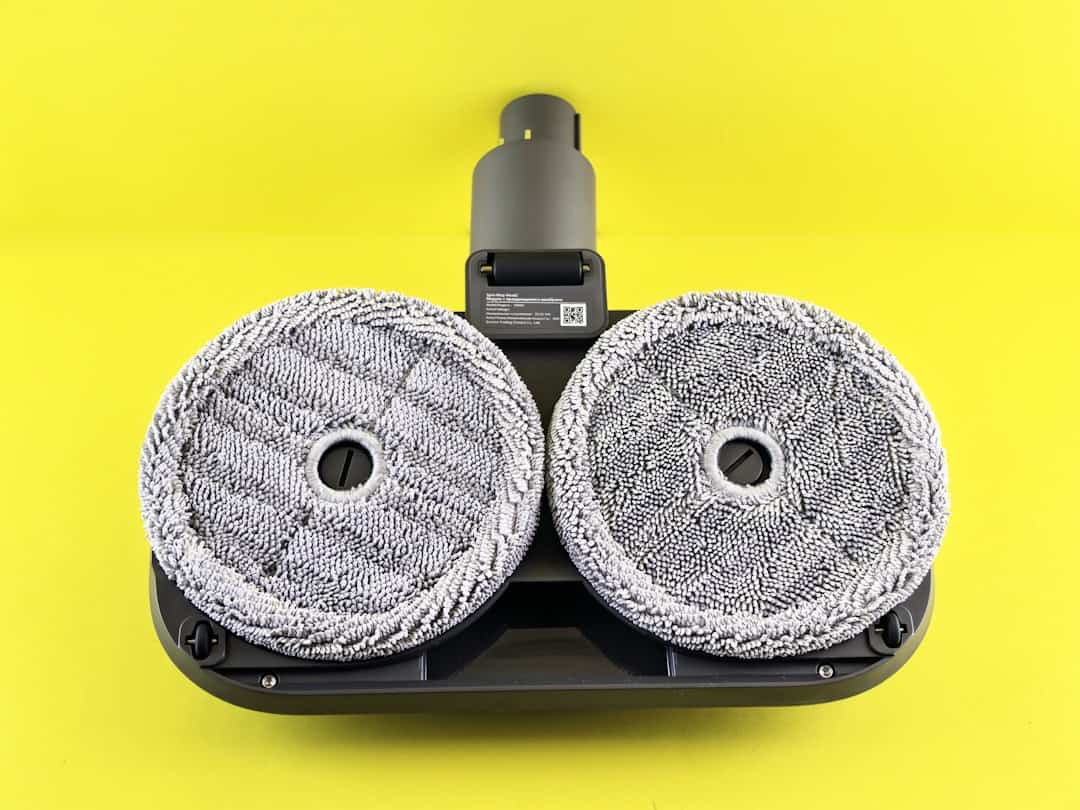
In the bustling world of office management, maintaining a clean and welcoming environment is vital not just for aesthetics but also for productivity and employee morale. One of the most significant factors contributing to this pleasant ambiance is the flooring. Every type of flooring demands different care, making it essential for us as office managers to equip ourselves with the right tools to tackle diverse cleaning challenges.
Today, we’ll explore the essential floorcare tools that every office manager needs to ensure their workspace shines bright without compromising on quality or efficiency. Whether it’s a plush, carpeted floor begging for a deep clean or sleek vinyl that requires regular upkeep, having the right arsenal of cleaning tools is crucial. So, let’s dive into understanding the types of flooring commonly found in offices and the corresponding tools that will turn our cleaning regime into a smooth and manageable process.
Understanding the Types of Flooring in Offices
When it comes to choosing the right flooring for our offices, several factors come into play: aesthetics, durability, maintenance, and comfort. Each type of flooring offers its unique benefits and challenges, making it essential for us to thoroughly understand the options available. So, let’s explore the different types of flooring commonly found in offices and their distinctive characteristics, ensuring we make informed decisions that cater to both our needs and those of our employees.
Carpeted Floors
Carpeted floors have long been a popular choice in office environments, and for good reason. They provide a warm, inviting atmosphere and can significantly reduce noise levels, creating a more focused work environment.
- Comfort: The soft texture underfoot makes for a comfortable working space, especially in areas where employees spend long hours.
- Variety in Design: We have countless options when it comes to colors, patterns, and textures, allowing us to align our flooring with our brand or office aesthetics.
- Insulation: Beyond comfort, carpets can also provide thermal insulation, helping to maintain a cozy environment in colder months.
However, it’s crucial to note that carpeted floors require specific cleaning tools and techniques to keep them looking fresh. Regular vacuuming and steam cleaning can help minimize stains and maintain hygiene.
Hardwood Floors
Hardwood floors exude a timeless elegance that can elevate any office space. They are not only visually appealing but also highly durable.
- Durability: With proper care, hardwood floors can last for decades, making them a wise long-term investment.
- Maintenance: They require minimal maintenance compared to carpets, as sweeping and occasional polishing can keep them in pristine condition.
- Eco-Friendly Options: We can choose sustainably sourced wood variants, contributing to environmental conservation.
While hardwood floors bring a lot to the table, it’s essential to account for the noise factor. Adding area rugs in high-traffic zones can mitigate sound and enhance comfort.
Vinyl and Linoleum Floors
Vinyl and linoleum are affordable choices that don’t compromise on style or function. Ideal for high-traffic areas, these materials are easy to install and maintain.
- Versatility: Available in a wide range of designs, we can mimic the appearance of natural wood or stone without the hefty price tag.
- Water Resistance: Their inherent resistance to moisture makes them suitable for spaces that might experience spills and other forms of water exposure.
- Easy Cleaning: A simple mop and mild detergent are all it takes to keep these floors looking fresh and new.
As with other types of flooring, we must be mindful of the cleaning approaches to ensure longevity and preserve appearance.
Tile Floors
Tile floors are another popular option for offices, particularly in areas prone to spills or heavy foot traffic.
- Durable and Stain-Resistant: Tiles are incredibly resilient and can withstand wear and tear. Their stain-resistant properties make them particularly appealing for break rooms and kitchens.
- Design Options: Like vinyl, tile offers numerous designs and patterns, allowing us to tailor our office appearance.
- Surface Temperature: On the downside, tiles can feel cold underfoot, especially in winter. Pairing them with rugs can help enhance comfort levels.
To maintain tile floors, regular sweeping and mopping should be part of our cleaning routine to avoid the buildup of dirt and grime.
Each flooring type comes with its advantages and specific maintenance requirements. By selecting the right option for our office space, we can create an engaging and productive environment that caters to both the functional and aesthetic needs of our team.
Key Floorcare Tools for Office Managers
Keeping an office environment clean is not just about aesthetics; it plays a vital role in employee productivity and well-being. As office managers, we often find ourselves juggling numerous responsibilities, and ensuring our workspaces are spotless can feel daunting. However, with the right floorcare tools at our disposal, we can maintain a clean and welcoming atmosphere for everyone. Let’s explore some essential tools that can simplify our cleaning routines.
Brooms and Dustpans
Brooms and dustpans are the classic duo in any floorcare toolkit.
- Versatile Cleaning: They are perfect for quick cleanups, handling everything from crumbs in the break room to larger debris in hallways.
- Lightweight and Easy to Store: Brooms are easy to maneuver and don’t take up much space, making them practical even in smaller office settings.
Using both allows us to effectively clear away loose dirt or dust, quickly prepping our floors for deeper cleaning.
Mops and Buckets
For maintaining cleanliness on hard surfaces, mops paired with buckets are indispensable.
- Deep Cleaning: Use wet mops for a thorough clean, especially on surfaces prone to spills.
- Variety of Mop Types: Consider string mops for larger areas or flat mops for ease of use and efficiency.
Regular mopping not only removes stains but also helps in maintaining the overall appearance of our flooring.
Vacuum Cleaners
When it comes to carpets or rugs, vacuum cleaners are our best friends.
- Strong Suction: They effectively lift dirt and allergens that can accumulate over time, which is crucial for a healthy workplace.
- Special Attachments: Many modern vacuums come equipped with attachments for crevices, upholstery, and hard-to-reach areas.
By integrating a vacuum cleaning regimen into our maintenance schedules, we can greatly improve the air quality in our offices.
Floor Scrubbers
For those large or stubborn floor areas, floor scrubbers can be a game-changer.
- Powerful Cleaning Action: They can tackle tough stains and heavy-duty cleaning tasks more effectively than manual methods.
- Time-Saving: Using a scrubber can cut down our cleaning time significantly, allowing us to focus on other important office tasks.
Investing in a good floor scrubber can make our floors shine while saving us valuable time and effort.
Floor Polishers
To keep our floors looking their best, floor polishers are essential for adding that finishing touch.
- Enhanced Luster: They restore shine to dull floors, making a significant difference in the office’s overall aesthetic appeal.
- Simplicity of Use: Modern polishers are user-friendly and can often be adjusted for different floor types.
A polished floor not only looks great but also prolongs the life of our flooring materials.
Steam Cleaners
Steam cleaners offer a powerful yet environmentally friendly way to clean.
- Natural Disinfection: The high temperature of steam can kill bacteria and allergens without the need for harsh chemicals, promoting a healthier workspace.
- Effective on Various Surfaces: Steam can safely clean carpets, tiles, and even upholstered furniture.
Integrating steam cleaning into our regular maintenance routine can enhance our cleaning process significantly.
Microfiber Cloths
Last but certainly not least, microfiber cloths are an everyday essential for wiping surfaces down.
- Durability and Effectiveness: They are more effective than traditional cloths at trapping dust and dirt, ensuring our desks and other surfaces are spotless.
- Reusable and Eco-Friendly: Microfiber cloths can be washed and reused, making them a sustainable choice.
Using these cloths as part of our daily cleaning allows us to maintain a tidy environment and can complement our other floorcare tools efficiently.
By incorporating these key tools into our floorcare routines, we not only maintain a pristine office but also create a healthier and happier workplace for everyone. Being proactive about cleanliness helps us foster a professional image and enhances productivity within our teams. Let’s make the most of these tools and transform our office cleaning practices for the better!
Sustainable Floorcare Tools
In our journey towards a greener future, we often overlook the importance of the cleaning supplies we use in our homes and workplaces. It’s essential to consider how our choices affect the planet. By embracing sustainable floorcare tools, we contribute not only to a cleaner space but also to a healthier environment. Let’s explore some eco-friendly options that can help us make responsible choices in our cleaning routines.
Eco-friendly Cleaning Solutions
Choosing eco-friendly cleaning solutions is a pivotal step in minimizing our environmental impact. These products typically contain non-toxic ingredients that are safer for both our families and the planet.
- Biodegradable Ingredients: Many eco-friendly cleaners use plant-based formulas that break down naturally, reducing waste in landfills.
- No Harsh Chemicals: By avoiding synthetic chemicals, we protect our indoor air quality and reduce water pollution.
- Multi-purpose Cleaners: Opting for all-in-one solutions minimizes packaging waste and simplifies our cleaning process.
One of our favorites is creating DIY cleaners at home using simple ingredients like vinegar, baking soda, and essential oils. This way, we can keep our environments sparkling clean without compromising our health or the earth’s.
Reusable Mops and Cloths
The shift towards reusable mops and cloths is not only cost-effective but significantly reduces waste. Rather than relying on disposable options that end up in landfills, we can adopt practices that foster sustainability.
- Washable Microfiber Cloths: These are highly effective in capturing dust and dirt while being machine washable, allowing them to be used repeatedly.
- Refillable Mop Heads: Instead of buying new mop heads that will eventually be discarded, consider investing in mops where only the head can be replaced.
- Natural Fiber Mops: Sustainable materials like cotton and hemp provide excellent cleaning capabilities and can be composted at the end of their life cycle.
By switching to reusable floorcare tools, we not only save money over time but also significantly cut down our ecological footprint.
Energy-efficient Equipment
Investing in energy-efficient cleaning equipment is another powerful way we can enhance our sustainability efforts. These tools not only perform better but also save on energy costs and reduce greenhouse gas emissions.
- Cordless, Rechargeable Sweepers: These save energy compared to traditional corded models while providing the convenience of hassle-free cleaning.
- High-efficiency Vacuums: Many brands today offer vacuums designed with HEPA filters and energy-saving features that maximize performance while minimizing energy consumption.
- Steam Cleaners: Utilizing steam for cleaning can eliminate the need for harmful chemicals, making it an eco-friendly choice for deep cleaning.
By choosing energy-efficient equipment, we make a positive impact not just in our homes but also in a broader environmental context.
Opting for sustainable floorcare tools creates a ripple effect, promoting healthier living spaces while contributing to a cleaner earth. Together, we can take these small steps to make a significant difference in our world.
Creating a Floorcare Maintenance Schedule
Creating an effective floorcare maintenance schedule is essential for keeping our spaces looking pristine and lasting longer. Proper maintenance not only enhances the aesthetic appeal of our environment but also ensures safety and hygiene. By structuring our cleaning tasks into daily, weekly, monthly, and seasonal routines, we establish a solid foundation for consistent floor care. Let’s dive into the specifics of our maintenance schedule to uncover the benefits of each section.
Daily Cleaning Tasks
Each day presents an opportunity for us to keep our floors immaculate. By implementing daily cleaning tasks, we maintain a fresh and welcoming environment. Here’s what our daily routine should include:
- Sweeping or Vacuuming: We commit to removing dirt, dust, and debris to prevent scratches and wear.
- Mopping: A light mopping using the appropriate cleaner helps remove stains and keep floors shining.
- Spot Cleaning: We address spills and stains as they occur to ensure they don’t turn into bigger issues.
- Waste Management: Emptying trash bins and ensuring waste isn’t left on the floor contributes to cleanliness.
By adhering to these tasks daily, we foster a cleaner atmosphere that enhances not just the look, but also the longevity of our floors.
Weekly and Monthly Duties
As we settle into our routines, it’s essential to elevate our cleaning efforts on a weekly and monthly basis. These tasks delve deeper into the upkeep of our floors:
Weekly Duties:
- Deep Vacuuming: Each week, we should take the time to deep clean carpets to eliminate trapped allergens.
- Polishing and Buffing: This not only keeps the shine but also offers a protective layer to the finish.
- Checking for Damage: Our weekly inspection allows us to catch and address issues before they escalate.
Monthly Duties:
- Thorough Scrubbing: A monthly scrubbing properly cleans any build-up and refreshes the floor’s look.
- Dealing with Grout and Seams: We devote time to address grout lines, especially in tiled areas.
- Floor Treatment: Applying necessary floor treatment products gives our surfaces an added layer of protection.
These weekly and monthly check-ins are instrumental for identifying wear and tear before it becomes obvious, ensuring our investments stay in optimal condition.
Seasonal Deep Cleaning
As the seasons change, so do our cleaning requirements. Conducting seasonal deep cleans is a great time to reevaluate and revitalize the floors. Here’s how we can structure this important task:
- Quarterly Assessment: Each season, we assess the condition of our floors, focusing on high-traffic areas.
- Intensive Cleaning Methods: Depending on the material—carpet, hardwood, or tile—we engage professionals for extensive cleaning.
- Preventative Maintenance: We schedule floor sealing or waxing during this time to further prolong their lifespan.
Undertaking seasonal deep cleaning keeps our floor maintenance routine on point and provides an excellent opportunity to refresh the environment we inhabit.
Staff Training on Floorcare
To ensure our floor maintenance schedule is a success, we recognize the importance of consistent training for our team. Here’s what effective training looks like:
- Educate Staff on Equipment: Training our staff on the correct use of cleaning machinery helps prevent accidents and damage.
- Cleaning Protocols: We ensure that everyone understands the cleaning schedule and its significance to encourage accountability.
- Hands-On Demonstrations: Practical training sessions can help staff feel more confident in their floorcare techniques.
By prioritizing staff training, we empower our team to take pride in maintaining the cleanliness and safety of our spaces. A knowledgeable team can implement our maintenance schedule seamlessly, creating a consistently well-cared-for environment.
Through this structured approach to floorcare maintenance, we establish a rhythm that promotes cleanliness, safety, and longevity of our flooring. Let’s collaborate to implement this schedule, ensuring our space remains inviting and professional for both guests and team members alike.
Budgeting for Floorcare Tools
When it comes to maintaining our spaces, effective floorcare is crucial—not just for aesthetics but also for safety and efficiency. However, budgeting for floorcare tools can often feel overwhelming. The good news is that with smart budgeting, we can significantly improve the lifespan and efficiency of our tools. Let’s explore how we can balance our initial investment against long-term savings, discover cost-effective equipment options, and identify quality tools that fit our budget.
Initial Investment vs. Long-Term Savings
One of the biggest challenges we face is understanding the balance between what we spend upfront and the potential savings down the line. It’s tempting to go for the cheapest options available, but doing so can lead to more frequent replacements and repairs, adding to our costs over time.
Here are some key points to consider:
- Durability Matters: Investing a little more in high-quality tools often means they’ll last longer, saving us from repeated purchases.
- Efficiency Boost: Higher-quality equipment usually provides better performance, which can reduce the time we spend on cleaning tasks.
- Warranty and Support: Many quality tools come with extended warranties, offering protection that lower-priced models may lack.
By taking into account the total cost of ownership rather than just the price tag, we can make informed decisions that positively impact our finances in the long run.
Cost-effective Equipment Options
Finding budget-friendly options doesn’t mean sacrificing quality. In fact, a range of cost-effective tools can offer both performance and savings.
Consider these alternatives:
- Refurbished Tools: Many manufacturers offer certified refurbished products that function like new at a fraction of the cost.
- Multi-purpose Equipment: Investing in versatile tools, such as vacuums that can handle both wet and dry messes, helps us save money by reducing the need for multiple devices.
- Lease Options: Renting tools for short-term use can minimize costs, especially for jobs that don’t require regular use of certain equipment.
By exploring these options, we can optimize our floorcare processes while keeping our budget intact.
Finding Quality Tools Within Budget
Navigating the market for quality floorcare tools can be daunting with so many options available. However, a strategic approach can help us find reliable tools that also fit our financial constraints.
Here’s how we can identify quality tools:
- Read Reviews: Customer feedback can provide invaluable insights into the performance and reliability of tools. Websites often feature user reviews that reflect real-world experiences.
- Compare Brands: Sometimes, lesser-known brands can offer surprisingly effective products at better prices than their more famous counterparts.
- Attend Trade Shows: Engaging with vendors at industry events can also give us opportunities to discover new products and often secure better deals.
By being proactive and doing our research, we can uncover fantastic floorcare tools that meet our needs without breaking the bank.
Smart budgeting in our floorcare approach not only ensures we’re making wise financial decisions but also enhances the lifespan and efficiency of our tools, paving the way for a cleaner and safer environment.
Conclusion
As we wrap up our exploration of essential floorcare tools every office manager needs, it’s clear that investing in the right equipment and establishing a routine can redefine the cleanliness and aesthetic of workspaces. By understanding the types of flooring and their specific care requirements, we can ensure a pristine environment that promotes productivity and well-being.
At Perfection Professionals, we stand ready to assist you in this endeavor. Our comprehensive range of services, from expert carpet extraction to meticulous floor cleaning, guarantees a level of cleanliness that helps your business thrive. Explore our offerings today and witness the transformation in your workspace. For more information, visit Perfection Professionals.
Frequently Asked Questions
- What are the essential floorcare tools for an office?
Essential floorcare tools for an office include a vacuum cleaner, mop and bucket, microfiber cloths, floor polishers, and a dustpan and broom set.
- Why is regular floor maintenance important in an office?
Regular floor maintenance is crucial in an office to ensure a clean and professional appearance, enhance employee health and safety, reduce allergens, and prolong the lifespan of flooring materials.
- How often should floors be cleaned in an office setting?
Floors in an office setting should ideally be cleaned daily or every few days, depending on foot traffic. High-traffic areas may require more frequent cleaning, while less-used spaces can be maintained on a weekly basis.
- What type of vacuum cleaner is best for office floors?
A commercial-grade vacuum cleaner with strong suction, HEPA filtration, and attachments for different surfaces is best for office floors. Consider models designed for both carpeted and hard flooring.
- Can I use home cleaning products for my office floorcare?
While home cleaning products can be used, it’s advisable to use professional-grade floorcare products specifically designed for commercial use. These products are often more effective in maintaining cleanliness and hygiene in a busy office environment.