
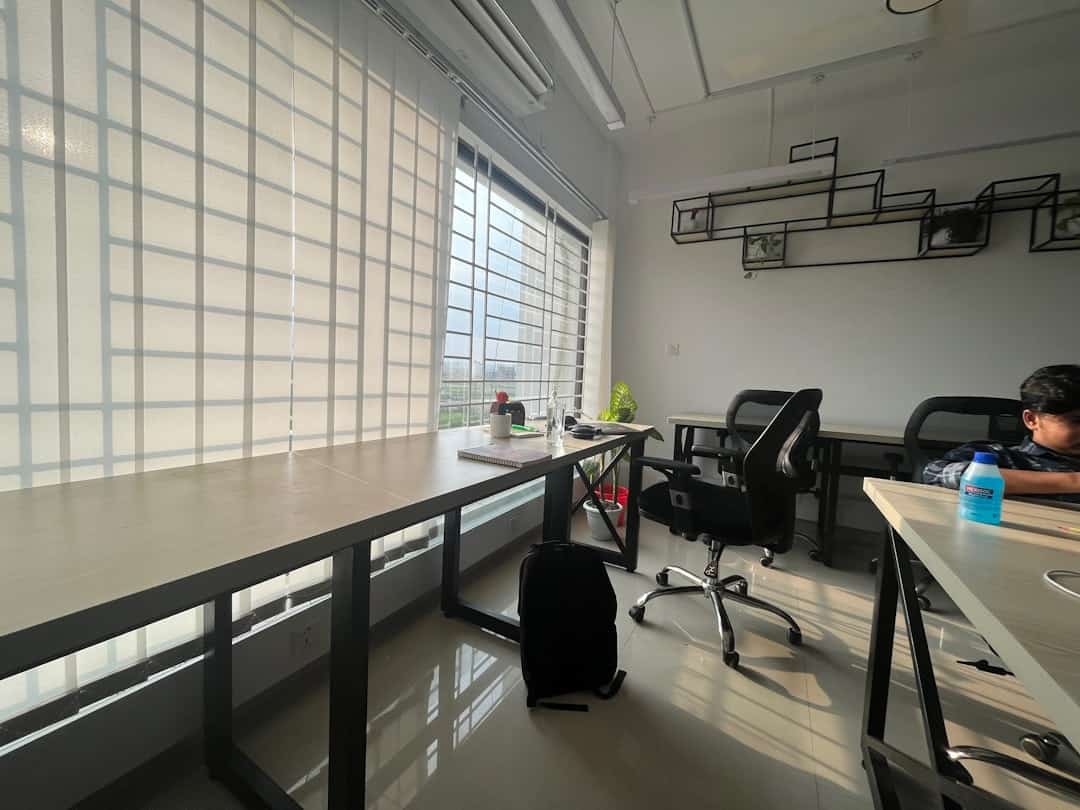
In today’s fast-paced business environment, maintaining a clean and organized office doesn’t just reflect our brand values; it plays a crucial role in our overall success. We often underestimate the impact of a tidy workspace on both our employees and clients, but it’s about more than just appearances. A well-kept office fosters a culture of professionalism and care that can boost morale and enhance productivity.
As we delve into the various components of a successful office cleaning routine, we will uncover not only why cleanliness matters, but also how to implement effective practices that will lead us to a healthier and more efficient workplace. Here’s a preview of what we’ll cover: from the essential cleaning tasks we should prioritize on a daily, weekly, and monthly basis, to developing a comprehensive cleaning schedule that includes assigning responsibilities and utilizing checklists.
Let’s embark on this journey together, exploring the key strategies that make up a successful office cleaning routine, and discover how embracing cleanliness can pave the way for a thriving work environment.
Importance of a Clean Office Environment
In today’s fast-paced work environment, the significance of maintaining a clean office cannot be overstated. A tidy workspace contributes to our overall success, not just in aesthetics but also in productivity and well-being. As we delve into the importance of a clean office, we’ll explore how it impacts our professional lives and enhances our organizational culture.
Enhances Employee Productivity
We all know that clutter can be a real distraction. A clean office environment allows us to focus on our tasks without the chaos of disorganization. Studies indicate that a tidy workspace can significantly improve focus and efficiency. When we declutter our desks, we create a space that fosters concentration and minimizes the time spent looking for misplaced documents.
Key benefits of a clean office include:
- Increased Focus: A neat environment reduces visual distractions, allowing us to concentrate on what truly matters.
- Improved Workflow: When everything is organized, our processes become smoother, enabling us to complete tasks more efficiently.
- Enhanced Creativity: A clean slate encourages fresh ideas, as we’re not bogged down by the remnants of past projects.
Taking these steps not only benefits us individually but contributes to a culture of productivity that resonates throughout the entire office.
Promotes Health and Well-being
Our health and well-being thrive in a clean environment. A clean office reduces the spread of germs and illnesses, which is critical in keeping our teams healthy and minimizing the number of sick days. Moreover, breathing clean air and reducing allergens can significantly enhance our overall well-being.
Consider the following aspects:
- Allergen Reduction: Regular cleaning helps eliminate dust and allergens, creating a healthier workspace.
- Mental Clarity: A tidy environment can reduce stress levels, contributing to a more positive mindset throughout the workday.
- Hygiene Practices: Cleanliness encourages us to adopt other healthy habits, furthering our commitment to a wellness-driven office culture.
By prioritizing cleanliness, we create not only a safer environment but also a space that fosters mental clarity and well-being.
Creates a Positive Impression on Clients
When clients visit us, the state of our office leaves a lasting impression. A clean office speaks volumes about our professionalism and attention to detail. A well-organized space not only inspires confidence in our services but also conveys our commitment to maintaining high standards.
Here’s how a clean office can enhance client relations:
- First Impressions: The moment clients step into a pristine environment, they perceive us as organized and trustworthy.
- Professionalism: A clean office reflects our dedication to excellence, reinforcing our brand’s image.
- Comfort and Trust: A welcoming space promotes comfort and trust, encouraging clients to engage more openly with us.
In essence, the cleanliness of our office matters immensely in how we present ourselves to our clients. By ensuring that our workspace is well-maintained, we will continue to build positive relationships and foster trustworthiness.
Maintaining a clean office is not just about aesthetics; it’s a crucial factor that affects our productivity, health, and client impressions. Let’s commit to keeping our workspaces tidy, enhancing our overall professional experience.
Essential Components of an Office Cleaning Routine
Maintaining a clean office environment is crucial for productivity, health, and morale. As we navigate the bustling world of work, it’s essential that we incorporate a thorough and structured cleaning routine. This ensures that our workspace not only looks presentable but also supports our overall well-being. Let’s delve into the essential components that make up an effective office cleaning routine.
Daily Tasks
Every successful cleaning routine begins with daily tasks that keep our work environment fresh and inviting. These small yet impactful actions can significantly contribute to the overall cleanliness of our office. Here’s what we typically focus on every day:
- Emptying Bins: We always make it a point to dispose of trash regularly — no one enjoys the sight (or smell) of overflowing bins.
- Wiping Down Desks: Our work surfaces can quickly accumulate dust, crumbs, and germs, so we take time to wipe them down with disinfectant wipes.
- Cleaning Common Areas: The kitchen, break rooms, and conference areas receive attention to ensure that they are tidy and ready for use.
By committing to these daily tasks, we enhance both the look and feel of our workplace, creating an atmosphere conducive to creativity and collaboration.
Weekly Tasks
Once we have our daily cleaning tasks in place, we turn our attention to weekly responsibilities, which delve a little deeper into maintaining a tidy space. These tasks help tackle the areas we might overlook on a daily basis. Here’s what we typically include:
- Vacuuming: Carpets can trap dust and allergens. Weekly vacuuming helps keep the air in our office clean and fresh.
- Dusting Surfaces: We ensure that all surfaces, including desks, shelves, and equipment, receive a good dusting to prevent buildup.
- Disinfecting High-Touch Areas: For health reasons, we focus on disinfecting places like doorknobs, light switches, and elevator panels, reducing the spread of germs.
Integrating these weekly tasks into our routine makes a significant difference in maintaining a healthy work environment.
Monthly and Seasonal Deep Cleaning
As we continue with our routine, monthly and seasonal deep cleaning helps us take our office’s cleanliness to the next level. These tasks allow us to tackle those corners that don’t get much attention during our regular cleaning. Here’s what we do each month and seasonally:
- Cleaning Windows: We love to let the sunlight in! Clean windows not only brighten our workspace but also improve our mood.
- Deep Cleaning Carpets: Using professional-grade equipment, we ensure our carpets are healthy and free from stubborn stains.
- Organizing Storage Spaces: Over time, clutter accumulates in storage areas. We take the time to organize these spaces, ensuring that everything is in its place.
We find that committing to monthly and seasonal deep cleaning creates an atmosphere that reflects our professionalism and attention to detail.
By implementing a well-rounded office cleaning routine—encompassing daily, weekly, and monthly tasks—we not only enhance the appearance of our workplace but also foster a healthier work environment. A clean office makes for a happier team, and together, we can ensure that our space remains inviting and productive at all times.
Developing a Cleaning Schedule
When it comes to maintaining a clean and organized space, having a structured approach can make all the difference. We all know that a clean environment contributes to productivity and overall well-being. In this section, we will delve into creating a cleaning schedule, a vital tool for ensuring that our spaces remain spick and span.
Creating a Cleaning Calendar
The first step in developing a cleaning schedule is creating a cleaning calendar. This calendar acts as our roadmap, helping us track tasks and ensuring that all areas of our space are attended to consistently.
- Daily Tasks: Start by identifying daily cleaning tasks, such as wiping down desks, emptying trash bins, and sanitizing high-touch surfaces. This keeps our environment fresh and sanitary.
- Weekly Tasks: Next, we should list weekly tasks like vacuuming, mopping floors, and dusting surfaces. Setting these tasks to particular days can create a routine that’s easy to follow.
- Monthly & Seasonal Tasks: Finally, consider monthly and seasonal cleaning jobs, like deep cleaning carpets, washing windows, and organizing closets. Scheduling these less frequent tasks helps keep our environment in top condition without feeling overwhelming.
By blocking out specific times for each task, we can ensure that we not only maintain cleanliness but also create a sense of order within our spaces.
Assigning Responsibilities
Once we have our cleaning calendar in place, it’s crucial to address how we assign responsibilities. Assigning cleaning tasks promotes accountability among team members and fosters a collaborative spirit in maintaining our environment.
- Team-Based Approach: It’s beneficial to divide tasks evenly among team members, ensuring no one feels overwhelmed. For instance, one team member could be responsible for daily maintenance, while another takes charge of weekly deeper cleans.
- Rotate Responsibilities: To keep things interesting and to ensure everyone is skilled at various tasks, we might consider rotating responsibilities regularly. This not only promotes teamwork but also prevents monotony.
- Tracking Progress: Using collaborative tools or shared documents, we can track who is responsible for which tasks each week. This transparency leads to greater accountability and helps us stay on top of our cleaning schedule.
Utilizing a Checklist
A cleaning checklist is another useful tool that can complement our calendar and assigned tasks. By utilizing a checklist, we can simplify the cleaning process and ensure that no tasks are overlooked.
- Stay Organized: Each cleaning task should have a checklist item, allowing us to methodically check off tasks as they are completed. This can be especially satisfying and motivating as we visually see our progress.
- Customize for Our Needs: We can tailor our checklist based on the specific requirements of our space. For example, if we have specialized equipment or areas that need special attention, we can easily incorporate those into our lists.
- Reinforce Team Efforts: When working in teams, having a shared checklist can facilitate communication and collaboration. Team members can update the checklist in real-time, ensuring that everyone is aware of what has been completed.
Organizing our cleaning regimen with these simple yet effective strategies not only enhances cleanliness but also promotes a healthy, productive environment. With a well-thought-out cleaning calendar, clearly assigned responsibilities, and a thorough checklist, we can all contribute to creating a space that reflects our commitment to cleanliness and organization. Let’s embrace these methods to maintain a vibrant and inviting atmosphere together!
Choosing the Right Cleaning Supplies and Equipment
When it comes to maintaining a clean and healthy environment, selecting the right cleaning supplies and equipment is crucial. At our organization, we recognize the impact that these choices have on both efficiency and health. By understanding the essential components—eco-friendly products, quality tools, and safety equipment—we can streamline our cleaning processes while ensuring a safe workplace for everyone. Let’s delve into each of these elements to uncover the benefits they offer.
Eco-Friendly Products
We can’t overlook the significance of using eco-friendly cleaning products. Not only are they better for the environment, but they also contribute positively to indoor air quality and overall employee health. It’s vital to choose cleaning solutions that are free from harsh chemicals, which can lead to respiratory issues and other health concerns.
Here are some benefits of opting for eco-friendly products:
- Improved Air Quality: By reducing the presence of volatile organic compounds (VOCs) in our cleaning supplies, we can create a safer breathing environment.
- Healthier Employees: Employees are more likely to feel their best in a clean workplace that doesn’t compromise their health.
Transitioning to these products may also boost morale and reflect our commitment to sustainability, which is increasingly important in today’s world.
Quality Tools
Investing in high-quality cleaning tools will pay dividends in the long run. At our company, we’ve found that quality products lead to more efficient cleaning processes, saving us time and effort. Here’s why prioritizing quality is essential:
- Durability: High-quality tools often last longer, reducing replacement costs and waste.
- Efficiency: Effective tools clean better and faster, allowing us to focus on other important tasks.
- User Comfort: Ergonomic designs make the cleaning process less strenuous on our team, reducing the risk of injuries.
As we incorporate quality tools into our cleaning regimen, we can enhance productivity and create a more effective approach to cleaning.
Safety Equipment
Safety should always be at the forefront of our cleaning strategies. Appropriate safety equipment not only safeguards our team but also sets the standard for workplace health protocols. Essential safety gear includes:
- Gloves: Protects against chemicals and promotes hygiene.
- Masks: Shields from dust and allergens, especially when using certain cleaners.
- Goggles: Prevents contact with cleaning solutions that could harm the eyes.
By equipping ourselves with the right safety gear, we demonstrate our commitment to maintaining the well-being of our employees while performing cleaning tasks.
In our quest for a cleaner and safer environment, we must make informed decisions about the cleaning supplies and equipment we choose. Eco-friendly products not only enhance health and air quality, but also reflect our dedication to sustainability. Investing in quality tools improves our efficiency and comfort, while proper safety equipment protects our most valuable asset—our employees. Together, let’s embrace these principles to create a cleaner, healthier workplace.
Training Staff on Cleaning Procedures
Providing thorough training on cleaning procedures is not just a necessity; it’s a fundamental aspect of creating a safe and hygienic environment for our employees and clients alike. In our journey towards excellence in cleanliness, we must invest time and resources into training that empower our staff. Here’s how we can effectively train our teams to uphold high cleaning standards.
Importance of Training
Training is crucial because it ensures every team member understands the cleaning procedures and standards. When staff are trained effectively, they are:
- Informed: Recognizing the significance of cleanliness in maintaining a professional space.
- Equipped: Knowing how to use cleaning tools and products correctly and safely.
- Confident: Feeling assured in their ability to perform cleaning tasks efficiently.
By prioritizing training, we cultivate a workforce that values cleanliness and is committed to maintaining our standards.
Creating Cleaning Protocols
To establish a consistent approach to cleanliness across our organization, we must create clear cleaning protocols. These protocols should be:
- Detailed: Outlining specific tasks, the frequency of each task, and any necessary product usage.
- Accessible: Providing easy-to-follow checklists or manuals for all staff members.
- Adaptable: Allowing for updates based on feedback, new cleaning methods, or changes in our cleaning needs.
Having these protocols in place eliminates confusion and helps us ensure that everyone is on the same page regarding expectations. It’s also a tool we can use to measure the effectiveness of our cleaning efforts.
Regular Training Sessions
Conducting regular training sessions is vital for keeping staff updated on best practices and new cleaning methods. Here’s how we can make the most of these training sessions:
- Frequency: Scheduling sessions quarterly to cover updates and reinforce existing knowledge.
- Interactive: Engaging staff with hands-on practice and open discussions to reinforce learning.
- Feedback-driven: Encouraging staff to share their experiences and suggestions for improvement.
By maintaining an ongoing training strategy, we foster a culture of continuous improvement that helps us adapt to the ever-evolving cleaning landscape.
With these foundational elements in place, our training on cleaning procedures will not only enhance the skills of our staff but also elevate the overall cleanliness and safety of our environment. Let’s commit to excellence together, knowing that a clean space reflects our dedication to quality and service.
Monitoring and Maintaining the Cleaning Routine
In our pursuit of maintaining a clean and healthy work environment, it’s crucial that we don’t just set a cleaning routine and forget about it. A proactive approach to monitoring and maintaining our cleaning routines ensures we uphold standards, foster employee well-being, and enhance overall productivity. Let’s explore how we can effectively evaluate and strengthen our cleaning protocols.
Reviewing Cleaning Effectiveness
Regular reviews help identify areas needing improvement in the cleaning routine. We can start by scheduling systematic assessments that involve checking specific areas against our cleanliness benchmarks. This may include:
- Spot checks: Conducting unannounced inspections to gauge cleanliness levels.
- Cleaning logs: Keeping detailed records of cleaning tasks performed and their frequency.
- Performance metrics: Analyzing metrics related to cleanliness and sanitation such as grime accumulation in high-traffic areas.
By regularly reviewing our cleaning effectiveness, we can maintain a high standard that aligns with our commitment to a safe and healthy workspace.
Feedback from Employees
Soliciting feedback from employees can unveil frequently overlooked areas. Engaging our team not only provides us with valuable insights but also fosters a culture of involvement and accountability. Here’s how we can gather and utilize this feedback effectively:
- Surveys: Distributing anonymous surveys will allow employees to share their observations without reservation.
- Suggestion boxes: Setting up suggestion boxes around the office encourages spontaneous input.
- Team meetings: Incorporating feedback discussions into our regular team meetings creates a space for open dialogue.
This collaborative approach not only highlights areas for improvement but also empowers our staff to feel involved in the cleanliness of their work environment.
Making Necessary Adjustments
Once we have data from our reviews and employee feedback, the next step is to make necessary adjustments. Whether it’s re-evaluating our cleaning products, changing the frequency of certain tasks, or addressing specific employee concerns, adaptability is key.
To streamline this process, we can:
- Prioritize issues: Based on urgency and impact, identifying which issues to address first will help us tackle the most pressing concerns.
- Set objectives: Establish specific, measurable goals for our cleaning improvements to track progress over time.
- Training sessions: Regular training for our cleaning staff on best practices ensures everyone is aligned with our standards.
By being responsive to feedback and tweaking our cleaning strategies accordingly, we can create an ever-improving cleaning routine that meets the evolving needs of our workplace.
As we continue monitoring and maintaining our cleaning routine with diligence and care, we ensure our commitment to cleanliness and hygiene remains steadfast.
Conclusion
Creating and maintaining a successful office cleaning routine is essential for promoting a productive and healthy working environment. By implementing the strategies we’ve discussed, you can ensure that your workspace remains inviting and efficient for everyone.
Remember, a clean office not only enhances employee morale but also leaves a lasting impression on clients and visitors. If you’re looking for expert assistance in elevating your office’s cleanliness, consider partnering with Perfection Professionals. Our comprehensive range of cleaning solutions is designed to transform your space, enabling your business to thrive. Explore our services here to see how we can help you achieve the highest standards of cleanliness.
Frequently Asked Questions
- What are the essential steps in a successful office cleaning routine?
The essential steps in a successful office cleaning routine include decluttering workspaces, dusting surfaces, vacuuming or mopping floors, sanitizing high-touch areas, and ensuring proper waste disposal and recycling.
- How often should offices be cleaned?
Offices should ideally be cleaned daily, with thorough cleaning sessions weekly or monthly, depending on the size of the office and the level of usage. High-traffic areas may require more frequent cleaning.
- What cleaning products are best for an office environment?
Eco-friendly and disinfectant cleaning products are best for an office environment. Look for products that are effective against germs while being safe for employees and the environment.
- How can I maintain a clean office between professional cleanings?
To maintain a clean office between professional cleanings, encourage employees to clean their workspaces, implement a daily tidying routine, and provide easy access to cleaning supplies for quick touch-ups.
- Is it better to hire a professional cleaning service or clean the office in-house?
It typically depends on your office’s size and cleaning requirements. Hiring a professional cleaning service ensures a thorough job and saves time, while in-house cleaning can be cost-effective for smaller spaces. Assess your needs and budget before deciding.