
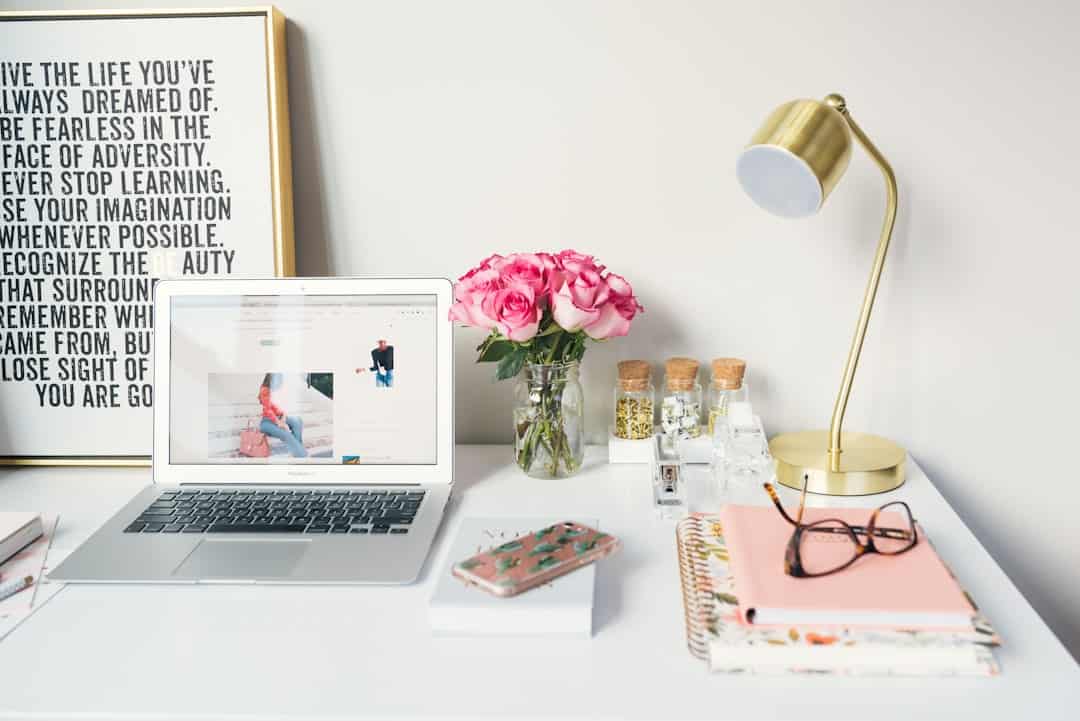
When it comes to fostering a thriving and dynamic business environment, the allure of aesthetically pleasing business spaces cannot be overstated. A visually compelling workspace is not only a reflection of your brand’s identity but also plays an instrumental role in boosting employee morale, productivity, and overall satisfaction. This guide aims to give you insights into the latest design trends that can transform your business spaces into visually appealing and functional habitats. We’ll deep dive into the impact of elements like natural light, cleanliness, furniture selection, color schemes, and spatial planning on your business environment. Prepare to reinvent your office spaces into captivating arenas that act as a catalyst for creativity, collaboration, and innovation.
Design Trends for Visually Appealing Business Spaces
The world of interior design is constantly bustling with innovative ideas and trends, particularly when it comes to creating vibrant and appealing business spaces. From choosing modern furniture styles to deciding on a warm and energizing color scheme, every detail plays a crucial role in shaping your working environment.
Resimmercial Furnishings
Resimmercial design brings the comfort of residential furnishings into a commercial setting. This design trend has dominated recent years and will continue to influence business spaces with its creative and inviting features. Comprising a mix of comfortable sofas, quaint side tables, and stylish commercial pieces, resimmercial design strikes the perfect balance between a relaxed home environment and a professional workspace.
Warm Color Schemes
Colors have a profound impact on mood, productivity, and collaboration in a workspace. In line with this, warmer color schemes are becoming incredibly popular. In fact, the Pantone Color of the Year 2023 is Viva Magenta, signaling a bold and joyful approach to color in design.
Geometric Shapes and Natural Elements
By adding geometric shapes and natural elements like wooden accents to the workspace, you can cultivate an environment that nurtures creativity. When coupled with softer and more curving styles, this design ethos can resonate a balance of strength and flexibility in the workplace.
Incorporation of Biophilic Design
Biophilic design, focusing on integrating nature into our surrounding environments, creates workplaces that foster happier, healthier, and more focused employees. It uses various design elements, like natural lighting, plant life, and organic patterns, to stimulate human connection with nature, improving well-being and productivity.
Sustainability in Design
As the world becomes more conscious of our environmental impact, sustainability in interior design is more important than ever. Using recycled materials, energy-efficient lighting, and locally sourced furniture are just a few ways we can contribute to a sustainable future in the design process.
Use of Open-Floor Layouts
Open-floor layouts have become a staple in modern office design. They promote better collaboration, transparency, and versatility, providing a variety of work areas to accommodate different types of tasks and work styles.
Blending of Home-like Comfort with Professional Settings
The surge in popularity of hybrid offices—spaces that blend the comfort of home with professional settings—shows that workplaces that feel cozy and comfortable can also be highly conducive to productivity and focus.
Integration of Natural Textures and Greenery
Bringing in natural textures, like wood, stone, and greenery, can enhance the overall aesthetic of the office and enhance the connection to the outside world, providing a pleasant and refreshing work setting.
Mid-Century Modern Design and Pastel Hues
The revival of mid-century modern design—combined with softer forms and calming pastel hues—is a trend anticipated to continue growing. Its simplified forms and contemporary finishes inject a sense of understated sophistication to any workspace.
With these transformative trends, you can definitely Elevate Your Office’s Interior Design to new heights. Be adventurous, be unique, and let your workspace be a reflection of your brand’s identity and vision.
The Impact of Natural Light and Cleanliness
In the hustle and bustle of daily business, it’s easy to overlook seemingly minor details like the quality of light and cleanliness in your workspace. However, in reality, these aspects play a significant role, whether it’s about boosting the morale of your team or creating an appealing first impression on potential clients. Let’s dive a little deeper into understanding the importance of natural light and cleanliness on productivity and business success.
Improving Productivity Through Natural Light
The impact of natural light in a workspace may seem inconsequential, but its benefits are backed by hard facts. Natural light boosts productivity and employee satisfaction on a considerable scale. Picture this – would you prefer to work in a warm, sunlit room, or under harsh, fluorescent lights? The answer is quite apparent!
Research suggests that natural light helps to:
- Boost Employee Morale: There’s a distinct psychological advantage of natural light that fights off depression, anxiety, and sustains a positive environment.
- Improve Physical Health: Exposure to sunlight also promotes Vitamin D synthesis – essential for bone health and immunity.
- Enhance Focus: Natural light wards off eye strain and discomfort, decreasing the chance of headaches and increasing focus and productivity.
So, whenever feasible, allow as much natural light into your workspace. Not only will it contribute to a happier and healthier workforce, but it will also manifest in the form of better outcome and staff retention.
The Importance of Cleanliness
On the other hand, cleanliness plays a pivotal role when it comes to customer attraction and trust. To be honest, nobody likes attending a meeting in a cluttered, dirty space or making a purchase from a grimy store. In fact, data reveals that almost a third of customers tend to avoid businesses that appear dirty from the outside.
Keeping your workspace clean contributes to:
- Customer Attraction: A clean exterior and interior invite potential customers and instil trust.
- Staff Wellbeing: Clean workspaces often have fewer health concerns like allergies or illness, ensuring increased productivity.
- Positive Image: A clean and tidy environment represents respect towards both customers and staff, enhancing your business’s reputation.
These are some of the reasons why maintaining cleanliness, up to and including a shiny floor, is Essential for Your Business’s Success.
To sum up, these seemingly small factors — natural light and cleanliness — actually play a huge role. Proper illumination provides a salubrious environment that stimulates productivity, while a clean workspace is conducive to client appeal and trust. Never underestimate their power; embracing these practices will undoubtedly enhance your business’s overall disposition and success.
Influence of Choice of Furniture on Business Spaces
Picture walking into a workspace adorned with stylish, yet functional furniture- sleek computer desks with just the right aesthetic spark to kickstart your neurons. Comfortable, ergonomic chairs that seem to understand your posture better than you, and resultantly, contribute to increased work efficiency. The impact that furniture has on a workspace, be it a corporate office or a sprightly start-up, cannot be understated. In this section, we will delve into the influence of choice of furniture on business spaces and how adaptable furniture options are becoming a trendsetter in the modern workplace design.
Adaptable Furniture Options
In the age of creativity and innovation, workspaces are more than just four walls and a desk. They are the breeding ground for breakthrough ideas, and the furniture we choose to fill them with, plays a monumental role in either setting or breaking the scene.
Using our own experiences mixed with expertise, we’ve discovered that flexible furniture options, which adapt to varying work styles and needs, are gaining popularity in modern commercial spaces. Since every individual is unique in their work approach, having ‘one-fits-all’ furniture solutions feel like a relic of the past. Here’s why adaptable furniture options are the need of the hour:
- Modularity: Adaptable furniture often comes modular, allowing easy configuration changes to match evolving work needs. Today’s workspaces require a dynamic setting that can be rearranged conveniently, facilitating collaboration when needed and isolation when required.
- Ergonomics: These furniture pieces are typically designed keeping in mind ergonomics, contributing to better health and increased productivity. From adjustable standing desks to ergonomic seating solutions, the focus is on promoting wellness in the workspace.
- Cost Factor: While the initial cost of adaptable furniture might be higher, in the long run, it proves to be an economical choice. It reduces replacement costs, has a longer lifespan, and is able to accommodate growth or downsizing efficiently.
“We shape our buildings; thereafter, they shape us.” – Winston Churchill
True to Churchill’s words, the environment we work in largely influences how we perform. The furniture in our workspaces contributes to this environment, shaping interactions, work patterns, and efficiency. By choosing adaptable furniture, we buy ourselves not a mere material possession but a companion in productivity and creativity. So, when the time comes for you to decorate or redesign your workspace, remember the profound influence your furniture choices can wield. Undeniably, adaptable furniture strikes the right balance between style and function, creating an environment where ideas prosper, and business flourishes.
The Role of Color, Lighting and White Space in Business Spaces
The commercial world is filled with a broad spectrum of elements that prospectively impact customer perception and experience. These elements stretch beyond the expected impedance of customer service quality and product innovation; they dip into an often overlooked space – the physical environment. Specifically, the strategic use of color, lighting, and white space within business spaces can remarkably enrich customer interaction and satisfaction.
Strategic use of Color and Lighting
Color and lighting, when used properly, are potent tools to manipulate the mood and ambiance of a commercial space. They have a significant impact on how customers interact with the space, ultimately impacting their overall experience and affinity for your business.
Consider for a moment, walking into a well-lit café with a warm color palette. The ambiance immediately emits an inviting and comfortable atmosphere, urging you to settle in with your favorite latte. Now, envision the same scenario in a shop with harsh lighting and cold, pale colors. The difference is quite stark and can unquestionably influence your willingness to stay or make a hasty exit.
Adaptation of motivational color theory in your commercial space can prove advantageous. Warm colors, such as reds, yellows, and oranges, are known to trigger emotions associated with comfort and warmth, whereas cooler colors, like blues and green, elicit feelings of relaxation and peace. Lighting plays an important role as well, with natural light often associated with openness and transparency.
In essence, when planning the interior of your commercial space, consider:
- Selecting a color palette that aligns with your brand personality and the emotional response you wish to induce.
- Incorporating the appropriate lighting to match your desired ambiance.
Effective Utilization of White Space
Another often overlooked yet essential component of interior design in commercial spaces is the effective use of white space. White space, also known as negative space, is any portion of a room or design that is left unoccupied. Indeed, less is more, and simplicity often reigns supreme in design principles.
Implementing white space can be transformative. It creates a sense of balance and harmony, allowing the eyes to rest and absorb the other elements in the room without feeling overwhelmed. It is a powerful tool for drawing attention to your displayed products or key features, providing a visually attractive and user-friendly experience.
Incorporating white space into your commercial space might include:
- Avoiding clutter, leaving ample empty space on walls and shelves.
- Using large, open spaces in your design, giving a sense of expansiveness and freedom.
In a world where first impressions matter significantly, the strategic use of color, lighting, and white space can move the needle positively. By thoughtfully crafting your business space with these elements, you can create an inviting and pleasant environment that enhances customer engagement and boosts brand loyalty.
Branding and Signage for Visual Identity
Creating a strong visual identity for your commercial space is no small feat. It demands a high degree of thought, creativity, and a dash of marketing genius. It’s about more than just slapping a logo on your storefront or atop your website. A major player in the game – one often overlooked – is the strategic use of signage and branding elements. When leveraged correctly, these components can significantly uplift the prestige of your venture, creating a memorable impression on potential customers and enhancing the overall visual identity of your space.
Firstly, let’s talk about signage — whether you’re running a retail store, a restaurant, a coffee shop, or even an entire shopping mall, your signage speaks volumes about who you are and what you represent. From outdoor signs capturing the attention of passersby to interior signs guiding customers and boosting sales, signage forms an integral part of your commercial aesthetics.
Some benefits of quality signage include:
- Attracting new customers: Quality exterior signage can grab the attention of people passing by, prompting them to enter your store.
- Enhancing brand recall: Unique and visually appealing signs can make your brand more memorable.
- Promoting offers: Signage is an effective way to promote sales, discounts or new product launches.
Moving forward, let’s not forget branding elements. These encompass everything from your logo and color scheme to your choice of typography, imagery, and even the tone of your communications. It’s about consistency and uniformity in every aspect that represents your brand. A harmonious blend of these elements influences how your customers perceive your brand, and ultimately determines the strength of your visual identity.
Let’s consider the power of these attributes:
- Consistent branding allows customers to instantly recognize your business.
- Attention to detail in branding can draw in high-end consumers.
- Diverse, yet consistent branding elements cater to customers’ diverse aesthetic tastes.
So, as we take a step back and look at the larger picture, it’s clear that signage and branding aren’t just decorative extras. They’re strategic tools that significantly enhance the visual identity of your commercial space. Start planning your branding now, and watch how it infuses life into your business, connecting with people on a deeper, more meaningful level.
Spatial Planning for Business Functions
Creating a productive work environment takes more than just hiring talented professionals. It requires thoughtful and strategic spatial planning. The design of the workspace plays a critical role in fostering innovation, encouraging interaction, as well as promoting focus and determination.
Let’s take a stride into the world of spatial planning for business functions, where we skillfully blend open collaborations with quiet zones to cater to the needs of diverse business functions.
One might question, why do we need distinct zones in a workspace? It’s because business functions are like playing a symphony; each instrument has a specific role to play and needs a unique setting to perform its best. Open collaboration zones foster brainstorming and idea sharing, while quiet zones promote focused and uninterrupted work.
The many benefits of strategic spatial planning include:
- Boosted Productivity: A well-organized workspace reduces wasted time and allows employees to focus on their tasks, thereby increasing overall productivity.
- Enhanced Collaboration: Spaces designed for interaction encourage employees to work together and share ideas, leading to increased creativity and innovation.
- Reduced Stress: Quiet zones allow employees to retreat from the noise and take a break, reducing workplace stress and improving mental wellbeing.
Spatial planning is essentially about finding a balance. It’s about understanding the unique needs of different business functions and incorporating those into the workspace design.
“The design of your office is a reflection of your business culture. Make it count.”
Spatial planning shouldn’t be an afterthought. Instead, it should be at the core of your business strategy. An effective workspace design fosters an environment where employees can perform at their best, ultimately driving business success.
Remember! Every organization is unique, hence the spatial needs would vary. Strive for a harmony that aligns with your team’s preference, your business goals, and your cultural values. As you can see, spatial planning is far more than merely arranging furniture. It’s about creating a workspace where everyone feels valued and can thrive. It’s time to foster that crucial balance between quiet zones and collaborative spaces to meet the diverse needs of your business functions. Your team and your bottom line will thank you.
Conclusion
Creating visually appealing business spaces is a form of art, blending function and aesthetics into a seamless experience. From using innovative design trends, to selecting the right furniture, lighting and color schemes, everything contributes to creating a workspace that doesn’t only look good but also functions well to boost productivity and inspire creativity.
It’s also vital to recognize the indispensable role that cleanliness plays in these settings. No matter how superb the design choices are, an unclean environment can prove detrimental to the overall appeal and effectiveness of the space.
At Perfection Professionals, we believe in transforming ordinary spaces into pristine environments. We offer a range of cleaning services that not only maintain cleanliness but elevate workspaces to a new level of sophistication, enabling you to thrive in an immaculate surrounding.
To end this insightful journey, we want to remind you that each design decision you make becomes a part of your brand’s story. So, choose wisely and transform your business space into an appealing, productive haven. For all your cleanliness needs, trust us.
Frequently Asked Questions
- Why is creating visually appealing business spaces important?
Creating visually appealing business spaces is important because it enhances the overall aesthetic appeal of your workplace, creates a positive impression on clients and visitors, boosts employee morale and productivity, and helps establish a strong brand identity.
- What are some key elements to consider when designing visually appealing business spaces?
Some key elements to consider when designing visually appealing business spaces include: choosing a cohesive color scheme, incorporating natural lighting, utilizing comfortable and functional furniture, incorporating artwork and decor, and maintaining cleanliness and organization.
- How can I incorporate branding into my business space design?
You can incorporate branding into your business space design by using brand colors in the decor, displaying your logo prominently, incorporating your brand messaging and values in wall art or signage, and creating a cohesive design that reflects your brand identity.
- Are there any specific design principles that can help create visually appealing business spaces?
Yes, there are several design principles that can help create visually appealing business spaces, such as the use of balance, symmetry, contrast, focal points, and proper spacing. These principles help create a harmonious and visually pleasing environment.
- Is it necessary to hire a professional designer to create visually appealing business spaces?
While hiring a professional designer can bring expertise and creative insights, it is not always necessary. With some research and thoughtful planning, business owners and managers can often create visually appealing spaces themselves. However, for complex projects, it may be beneficial to consult a professional.